What Do Dermatologists Actually Treat?
- eshanasir556
- 14 hours ago
- 6 min read
When people think about Dermatologists, they often associate them with acne treatments or skincare routines. While these are certainly part of their expertise, dermatologists treat a much wider range of conditions affecting the skin, hair, nails, and even the body's largest protective barrier. Their work goes far beyond cosmetic concerns and plays an important role in maintaining overall health.
The skin is the body's first line of defense against infections, environmental damage, and harmful UV rays. Because of this, keeping it healthy is essential. Dermatologists are trained to diagnose, manage, and treat hundreds of different medical conditions, ranging from common rashes to chronic skin diseases and skin cancer.
Understanding what dermatologists actually treat can help individuals recognize when professional care is needed instead of relying solely on over-the-counter products or home remedies. This guide explores the wide variety of conditions dermatologists manage and explains why their expertise is valuable for people of all ages.
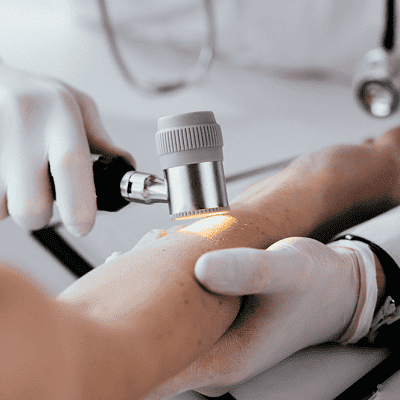
What Is a Dermatologist?
A dermatologist is a medical specialist who focuses on diagnosing, treating, and preventing conditions involving the skin, hair, nails, and mucous membranes. Their extensive training allows them to identify both common and complex disorders that may affect appearance, comfort, and overall health.
Dermatologists use a combination of medical knowledge, clinical examinations, diagnostic procedures, and evidence-based treatments to create personalized care plans. They may prescribe medications, perform minor procedures, recommend lifestyle changes, or monitor chronic conditions over time.
Their goal is not only to improve the appearance of the skin but also to protect long-term health by detecting underlying medical problems early.
Common Skin Conditions Dermatologists Treat
Many people visit dermatologists because of everyday skin concerns that interfere with confidence or daily comfort. Some of the most common conditions include:
Acne
Acne affects teenagers and adults alike. While mild breakouts may respond to skincare products, persistent or severe acne often requires professional treatment. Dermatologists can recommend prescription medications, topical therapies, or advanced treatment plans that help reduce inflammation, prevent scarring, and improve skin health.
Eczema
Eczema, also known as atopic dermatitis, causes dry, itchy, and inflamed skin. It can affect people of all ages and often comes and goes over time. Dermatologists help patients manage flare-ups through proper skincare routines, medications, and trigger identification.
Psoriasis
Psoriasis is a chronic autoimmune condition that causes thick, scaly patches on the skin. Since symptoms vary from person to person, dermatologists create individualized treatment plans to reduce inflammation and improve quality of life.
Rosacea
Rosacea commonly causes facial redness, visible blood vessels, and acne-like bumps. Although there is no permanent cure, dermatologists can help control symptoms with appropriate medications and skincare recommendations.
Contact Dermatitis
This condition occurs when the skin reacts to allergens or irritants. Dermatologists help identify the cause of the reaction and recommend treatments that relieve discomfort while preventing future flare-ups.
Hair and Scalp Problems Dermatologists Manage
Hair and scalp health are closely connected to overall well-being. Dermatologists diagnose various conditions that contribute to hair loss, irritation, or scalp discomfort.
Some common hair-related concerns include:
Hair thinning
Pattern hair loss
Alopecia
Dandruff
Scalp psoriasis
Fungal scalp infections
Excessive hair shedding
Itchy scalp conditions
Hair loss can sometimes signal nutritional deficiencies, hormonal imbalances, autoimmune diseases, or other medical conditions. Dermatologists evaluate the underlying cause before recommending appropriate treatment options.
Nail Conditions That Require Dermatological Care
Nails can reveal important clues about a person's health. Dermatologists diagnose and treat a wide range of nail disorders that affect appearance, comfort, and function.
Examples include:
Fungal nail infections
Ingrown nails
Nail psoriasis
Brittle nails
Nail discoloration
Nail trauma
Thickened nails
Unexplained nail deformities
Changes in nail color, texture, or growth may sometimes indicate an underlying medical issue, making professional evaluation important.
Skin Infections and Allergic Reactions
Dermatologists frequently treat infections caused by bacteria, viruses, fungi, and parasites. Early diagnosis helps prevent complications and limits the spread of infection.
Common infections include:
Fungal skin infections
Ring-shaped fungal rashes
Viral skin infections
Bacterial skin infections
Warts
Cold sores
Shingles
Yeast-related skin conditions
They also diagnose allergic skin reactions that may develop after exposure to cosmetics, fragrances, metals, plants, medications, or household chemicals. Identifying the trigger is often the key to preventing repeated reactions.
Dermatologists Help Detect Skin Cancer
One of the most important responsibilities of dermatologists is identifying suspicious skin changes that may indicate skin cancer.
People are encouraged to seek evaluation if they notice:
A mole changing in size, shape, or color
A sore that does not heal
Persistent bleeding spots
New skin growths
Dark or irregular patches
Rapidly changing lesions
Routine skin examinations can help detect abnormal changes before they become more serious. Early diagnosis often leads to more successful treatment outcomes.
Individuals with fair skin, frequent sun exposure, a family history of skin cancer, or numerous moles may benefit from regular skin checks performed by dermatologists.
Cosmetic and Medical Skin Procedures
Although dermatologists primarily focus on medical care, they also perform procedures that improve both skin health and appearance.
Some commonly performed procedures include:
Mole evaluations and removal when medically appropriate
Skin biopsies
Treatment of cysts
Wart removal
Scar management
Treatment for excessive sweating
Care for pigmentation concerns
Management of certain birthmarks
These procedures are typically performed after a careful medical assessment to determine the most suitable approach for each patient.
When Should Someone Visit a Dermatologist?
Many skin problems improve with basic skincare, but some symptoms require professional evaluation.
A visit to dermatologists may be helpful if someone experiences:
Persistent acne that does not improve
Severe itching or recurring rashes
Rapid hair loss
Changes in moles
Painful skin growths
Repeated skin infections
Chronic dry skin
Nail abnormalities
Skin discoloration that continues to spread
Wounds that heal slowly
Seeking treatment early can often prevent conditions from worsening and reduce the risk of permanent skin damage or scarring.
Tips for Maintaining Healthy Skin
While dermatologists provide expert treatment, healthy daily habits can help protect the skin between appointments.
Some practical skincare tips include:
Cleanse the skin gently without over-washing.
Apply moisturizer regularly to maintain the skin barrier.
Wear sunscreen daily, even on cloudy days.
Stay hydrated throughout the day.
Eat a balanced diet rich in vitamins and antioxidants.
Avoid picking at acne or skin lesions.
Use skincare products suitable for individual skin types.
Protect the skin from excessive sun exposure.
Seek medical advice if unusual skin changes develop.
Consistent skincare combined with regular professional evaluation can contribute to healthier skin over the long term.
Why Dermatologists Are Essential for Overall Health
Dermatologists do much more than treat cosmetic concerns. Their expertise covers a wide range of conditions involving the skin, hair, and nails, many of which can significantly affect physical health and emotional well-being. They also play a vital role in identifying serious diseases early, including skin cancer and autoimmune disorders that first appear through changes in the skin.
Whether someone is dealing with acne, eczema, hair loss, nail disorders, chronic rashes, infections, or suspicious moles, dermatologists provide accurate diagnosis and personalized treatment plans based on medical evidence. Early consultation can improve treatment outcomes, prevent complications, and support healthier skin throughout every stage of life.
FAQs
1. What do dermatologists specialize in?
Dermatologists specialize in diagnosing, treating, and preventing diseases and conditions affecting the skin, hair, nails, and related tissues. They manage both medical and cosmetic concerns using evidence-based treatments.
2. Should someone see a dermatologist for acne?
Yes. If acne is persistent, painful, leaves scars, or does not improve with over-the-counter products, dermatologists can recommend more effective treatment options tailored to the individual's skin.
3. Can dermatologists treat hair loss?
Yes. Dermatologists diagnose different causes of hair loss, including hereditary conditions, autoimmune disorders, hormonal changes, and scalp diseases, before recommending appropriate treatments.
4. Do dermatologists treat nail problems?
Yes. They evaluate and manage fungal infections, nail discoloration, ingrown nails, nail psoriasis, brittle nails, and many other nail-related conditions.
5. When should a suspicious mole be examined?
A mole should be evaluated if it changes in size, shape, color, starts bleeding, becomes painful, or develops irregular borders. Early examination can help detect serious skin conditions.
6. Can dermatologists help with chronic skin conditions?
Yes. Dermatologists regularly treat chronic conditions such as eczema, psoriasis, rosacea, and recurring dermatitis by creating personalized long-term management plans that reduce symptoms and improve quality of life.
Read More About Dermatologists: https://b.cari.com.my/home.php?mod=space&uid=3172561&do=blog&quickforward=1&id=614430


Comments