Understanding Skin Exams with Dermatologists
- eshanasir556
- 13 hours ago
- 6 min read
Healthy skin is more than just an attractive appearance—it is an important indicator of overall well-being. The skin acts as the body's largest organ, protecting against environmental damage, regulating temperature, and helping prevent infections. Because of its vital role, regular skin examinations can help identify changes that may require professional attention before they become more serious.
Many people only consider visiting Dermatologists in Muscat when they experience persistent skin problems. However, routine skin exams are valuable for everyone, regardless of age or skin type. Whether someone has concerns about unusual moles, recurring acne, skin discoloration, or other changes, professional skin evaluations provide peace of mind and guidance for maintaining healthy skin.
This guide explains what skin exams involve, why they matter, who should consider scheduling one, and how these evaluations contribute to long-term skin health.

What Is a Skin Exam?
A skin exam is a comprehensive assessment of the skin performed by a qualified dermatologist. During the examination, the dermatologist carefully checks the skin from head to toe, looking for any unusual marks, growths, rashes, pigmentation changes, or other skin conditions.
The purpose of a skin exam is not only to identify potential concerns but also to establish a baseline for future comparisons. Detecting changes early often allows for simpler management and better long-term outcomes.
Dermatologists use their specialized training to distinguish between harmless skin changes and those that may require closer monitoring or additional evaluation. They may also discuss the patient's medical history, lifestyle, family history, and sun exposure habits to gain a complete understanding of overall skin health.
Why Regular Skin Exams Are Important
Many skin conditions develop gradually and may not cause pain or obvious symptoms in their early stages. This is why regular skin examinations are an important part of preventive healthcare.
Some key benefits include:
Early Detection of Skin Changes
Identifying suspicious moles, unusual pigmentation, or new skin growths early can make a significant difference in treatment planning and outcomes.
Monitoring Existing Skin Conditions
Individuals with chronic skin concerns such as eczema, psoriasis, acne, or rosacea benefit from routine monitoring to ensure their condition remains well managed.
Personalized Skin Care Advice
Every person's skin is unique. Dermatologists provide recommendations based on skin type, lifestyle, age, and environmental factors, helping patients maintain healthier skin.
Identifying Hidden Skin Problems
Some skin issues develop in areas that people rarely examine themselves, including the scalp, back, behind the ears, or between the toes. Professional skin exams ensure these areas are not overlooked.
Encouraging Preventive Care
Regular check-ups also provide an opportunity to discuss sun protection, skincare routines, and healthy habits that help reduce future skin concerns.
Who Should Consider a Skin Exam?
While everyone can benefit from periodic skin evaluations, some individuals may have a greater need for regular examinations.
These include:
People with numerous moles or freckles
Individuals with fair or sun-sensitive skin
Those with a history of excessive sun exposure
People who frequently use tanning devices
Individuals with a family history of skin conditions
Adults noticing new or changing skin lesions
People with long-term inflammatory skin conditions
Individuals experiencing persistent itching, redness, or unexplained rashes
Even individuals without noticeable concerns can benefit from routine evaluations as part of their overall healthcare plan.
What Happens During a Skin Examination?
Understanding what to expect can help patients feel more comfortable before their appointment.
Medical History Discussion
The visit usually begins with questions about:
Current skin concerns
Family history of skin conditions
Previous skin treatments
Allergies
Sun exposure habits
Medications
Lifestyle factors that may affect skin health
This information helps the dermatologist assess potential risk factors.
Visual Skin Assessment
The dermatologist carefully examines the skin from head to toe, including areas that patients may not regularly inspect themselves.
They look for:
Moles
Birthmarks
Skin growths
Pigmentation changes
Rashes
Dry patches
Redness
Scaling
Changes in texture
Closer Evaluation of Specific Areas
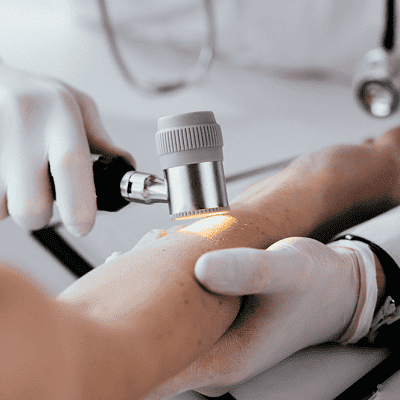
If any suspicious or unusual areas are identified, the dermatologist may examine them more closely using specialized tools designed to provide greater detail.
Additional evaluation may be recommended if further assessment is necessary.
Discussion and Recommendations
At the end of the examination, the dermatologist explains the findings and answers any questions. Recommendations may include skincare advice, follow-up appointments, lifestyle changes, or further evaluation if needed.
Signs That Should Not Be Ignored
Although routine skin exams are beneficial, certain skin changes should prompt a visit sooner rather than later.
These include:
A mole that changes in size, color, or shape
Persistent itching or irritation
A sore that does not heal
Unexplained skin bleeding
New lumps or bumps
Sudden pigmentation changes
Persistent redness
Thickened skin patches
Rapidly growing skin lesions
Early evaluation helps determine whether these changes are harmless or require additional attention.
How to Prepare for a Skin Exam
A few simple steps can help make the appointment more effective.
Avoid Heavy Makeup
Clean skin allows the dermatologist to examine the face more thoroughly.
Remove Nail Polish
Changes beneath the nails can sometimes provide important information about overall skin health.
Wear Comfortable Clothing
Loose-fitting clothing makes it easier for the dermatologist to perform a full-body examination if needed.
Bring Medical Information
Patients should be prepared to discuss:
Previous skin conditions
Medications
Allergies
Family history
Recent skin changes
Make a List of Questions
Writing down concerns beforehand helps ensure important topics are discussed during the appointment.
How Often Should Skin Exams Be Scheduled?
The ideal frequency depends on an individual's personal risk factors and skin health.
Some people may only require occasional examinations, while others with increased risk factors may benefit from more frequent visits.
Factors influencing examination frequency include:
Age
Family history
Personal skin history
Skin type
Sun exposure
Existing skin conditions
Previous abnormal skin findings
A dermatologist can recommend an appropriate schedule based on each person's individual needs.
Everyday Habits That Support Healthy Skin
Professional skin exams are only one part of maintaining healthy skin. Daily habits also play a significant role.
Helpful practices include:
Applying sunscreen regularly
Wearing protective clothing outdoors
Staying hydrated
Following a consistent skincare routine
Eating a balanced diet
Avoiding excessive sun exposure
Checking the skin regularly at home
Avoiding smoking
Managing stress
Getting adequate sleep
Combining healthy habits with regular professional skin evaluations supports long-term skin wellness.
The Role of Dermatologists in Long-Term Skin Health
Dermatologists are trained to diagnose, manage, and monitor a wide range of skin, hair, and nail conditions. Their expertise goes beyond treating visible symptoms—they also help patients understand preventive care and identify potential issues before they become more serious.
For residents seeking Dermatologists in Muscat, routine skin examinations provide an opportunity to receive professional guidance tailored to their individual skin needs. Whether addressing existing skin concerns or focusing on prevention, regular consultations support healthier skin throughout every stage of life.
Skin health is an ongoing journey rather than a one-time concern. By combining regular self-checks, healthy daily habits, and professional skin evaluations, individuals can take proactive steps toward maintaining healthy, confident skin for years to come.
Conclusion
Skin examinations are an essential part of preventive healthcare and can help detect changes that might otherwise go unnoticed. Regular visits to Dermatologists in Muscat allow individuals to better understand their skin, receive personalized recommendations, and address concerns before they progress.
Whether someone has a specific skin issue or simply wants to maintain healthy skin, scheduling routine skin exams is a practical investment in long-term wellness. Professional evaluations, combined with consistent skincare and healthy lifestyle choices, contribute to healthier skin and greater peace of mind.
FAQs
1. What is the purpose of a skin exam?
A skin exam helps identify unusual skin changes, monitor existing skin conditions, and detect potential concerns early so appropriate care can be recommended.
2. Who should have regular skin examinations?
Anyone can benefit from skin exams, especially individuals with numerous moles, frequent sun exposure, chronic skin conditions, or a family history of skin-related concerns.
3. How long does a typical skin exam take?
The duration varies depending on the individual's needs and the extent of the examination, but most appointments are completed within a reasonable amount of time.
4. Do skin exams only focus on skin cancer?
No. Skin exams also evaluate a wide range of skin conditions, including acne, eczema, psoriasis, infections, pigmentation disorders, and other skin concerns.
5. How should someone prepare before a skin examination?
It is helpful to arrive with clean skin, avoid heavy makeup, remove nail polish if possible, wear comfortable clothing, and be ready to discuss any skin changes or medical history.
6. Can healthy individuals benefit from routine skin exams?
Yes. Even people without noticeable skin concerns can benefit from regular examinations, as they help establish a baseline, detect early changes, and provide personalized advice for maintaining healthy skin.
Read More About Dermatologists: https://b.cari.com.my/home.php?mod=space&uid=3172561&do=blog&quickforward=1&id=614460


Comments