Can You Do a Carbon Peel at Home? A Deep Dive into DIY Glow
- eshanasir556
- Apr 11, 2025
- 5 min read
When it comes to skin treatments that truly redefine your glow, few can rival the impact of a carbon peel. Popularized for its immediate results and minimal downtime, this advanced facial technique has become a go-to for those seeking clearer pores, smoother texture, and a rejuvenated complexion. While many head to professional settings for such treatments, there’s a growing curiosity around whether you can safely recreate the effects of the Best Laser Carbon Peel in Oman from the comfort of your own home.
So, what’s the truth behind DIY carbon peels? Is it a skincare breakthrough or just a marketing myth? Let’s break it all down.

What is a Carbon Peel?
Before jumping into the home version, it’s essential to understand what a carbon peel actually does. A carbon peel—often referred to as the "Hollywood Peel"—uses a layer of medical-grade carbon paste applied to the face. This carbon acts like a magnet for impurities. Then, a specialized laser targets the carbon particles, exfoliating the skin and penetrating deep into pores to extract dirt, oil, and bacteria.
The result? A visibly brighter, softer, and tighter skin texture that feels almost immediate.
Key Benefits of Carbon Peels:
Deep pore cleansing
Reduced acne and inflammation
Refined skin tone and texture
Improved skin elasticity
Instant radiance with no downtime
These are the reasons why treatments labeled as the best laser carbon peel in Oman continue to trend among skincare-savvy individuals looking for long-term clarity and glow.
Can This Be Done at Home?
Here’s the short answer: yes, sort of—but with limitations.
DIY carbon peels exist, but they are vastly different in terms of strength, safety, and technology from the professional-grade version. At-home kits can offer a mild exfoliating effect, often using activated charcoal masks combined with skincare tools like ultrasonic scrubbers or LED devices. However, they do not include the laser technology that makes a clinical carbon peel so effective.
What You Need to Know First
Before trying a home carbon peel alternative, keep this in mind:
There’s no laser involved in home treatments
Results will be gentler and slower
Risk of irritation or breakouts exists if not done properly
Consultation with a dermatologist is still recommended, especially for sensitive or acne-prone skin
So while you can replicate elements of the carbon peel process, it’s not truly the same experience you’d get with the best laser carbon peel in Oman.
Components of a Home Carbon Peel
If you're still intrigued and ready to try a simplified version at home, here’s what you’ll need:
1. Activated Charcoal Mask
Look for high-quality, cosmetic-grade activated charcoal masks. These act as a substitute for the carbon cream used in professional settings.
2. Cleansing Tools
A gentle exfoliating brush, ultrasonic scrubber, or even a mild chemical exfoliant can help mimic the exfoliation stage of the peel.
3. LED Therapy Device
Red and blue light therapy tools can help soothe inflammation and kill acne-causing bacteria post-treatment.
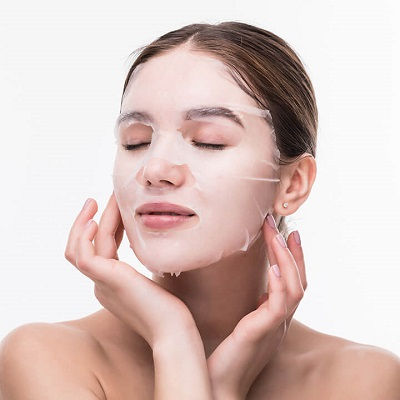
4. Cooling Gel or Sheet Mask
To calm the skin after exfoliation and support hydration.
Step-by-Step: DIY Carbon Peel Routine
Ready to get glowing? Here’s a structured way to perform a basic version of the treatment at home:
Step 1: Cleanse Thoroughly
Remove makeup, dirt, and oil with a gentle, sulfate-free cleanser. Your skin should be completely clean and dry before applying anything.
Step 2: Apply Charcoal Mask
Using clean fingers or a soft brush, apply an even layer of activated charcoal mask. Let it sit for 10–15 minutes, allowing it to absorb impurities.
Step 3: Gentle Exfoliation
Once the mask dries slightly but isn’t hard, use a soft tool or exfoliating brush to buff away the top layer. This removes dead skin cells and lifts off the charcoal.
Step 4: Optional LED Therapy
If you own a red or blue light therapy device, now is a great time to use it. Glide the light slowly over your skin to support cell turnover and reduce redness.
Step 5: Hydrate and Soothe
Finish off with a cooling sheet mask or hydrating serum to replenish moisture. Follow with a light moisturizer to lock everything in.
Pros and Cons of Doing It Yourself
Let’s weigh the benefits and drawbacks of trying a home version of a carbon peel.
Pros:
Cost-effective compared to in-clinic treatments
Customizable with natural ingredients
Convenient and accessible at any time
Gentle on the skin when done correctly
Cons:
Lacks the power and precision of laser technology
Results are not immediate or dramatic
Requires multiple sessions for visible effects
May irritate sensitive skin if done too often or improperly
Remember, the glowing reviews for the best laser carbon peel in Oman often cite the professional touch, advanced tools, and clinical experience as the biggest advantages—none of which can be fully matched at home.
Who Should Avoid Home Peels?
Active cystic acne
Eczema or psoriasis flare-ups
Open wounds or severe irritation
Extremely dry or peeling skin
Recent use of retinoids or harsh acids
Even with all the right tools, timing matters. Over-exfoliation or layering active ingredients can lead to barrier damage and make your skin worse rather than better.
Enhancing Your Home Routine Without the Risk
If you're not ready to dive into even a DIY carbon peel, there are plenty of ways to amplify your skincare regimen with glow-enhancing alternatives:
Try These Safe Glow Boosters:
Niacinamide serums to reduce redness and regulate oil
Azelaic acid for a gentle resurfacing touch
Clay masks as a detox alternative to charcoal
Chemical exfoliants like mandelic or lactic acid for sensitive skin
Hydrating masks with hyaluronic acid or peptides
These options help support similar results—cleaner pores, smoother skin, reduced inflammation—without needing laser power or in-office appointments.
The Verdict: Is It Worth It?
If your goal is to achieve that fresh, radiant, post-peel glow at home, you can get there—but it won’t be a one-time miracle. It takes consistency, patience, and a bit of know-how to see results. While a DIY carbon peel won’t compare to the best laser carbon peel in Oman, it can be a fun, effective supplement to your routine if done with care.
But if you’re chasing real transformation—clearer texture, tighter pores, reduced scarring—a professional treatment is your best bet. The tools, expertise, and precision simply can’t be duplicated in a bathroom mirror.
Final Thoughts
The buzz around carbon peels isn’t just hype—it’s science-backed, results-driven skincare. While the home versions are gentler and more subtle, they can still fit beautifully into your glow-up goals. Whether you’re trying to extend results between pro sessions or just curious to try something new, a simplified at-home peel can offer a refreshing reset for your skin.
Just remember: no laser = no shortcuts. But with the right mindset and tools, that lit-from-within look is still totally possible.
For those who truly want the transformative power and long-lasting effects, exploring the best laser carbon peel in Oman might just be your next skincare splurge—and one worth every radiant second.


Comments