Chemical Peels: Benefits You Need to Know Before Trying
Healthy, glowing skin is a common goal for many people, and there are countless treatments available to help improve skin texture and appearance. Among the most popular skincare treatments, Chemical Peels have gained significant attention for their ability to address a variety of skin concerns without surgery. From reducing acne scars to minimizing fine lines and improving uneven skin tone, chemical peels offer noticeable skin rejuvenation when performed correctly.
However, before deciding whether this treatment is right, it is important to understand how chemical peels work, their benefits, possible side effects, and what to expect before and after the procedure. Learning the basics helps individuals make informed decisions and achieve the best possible results.
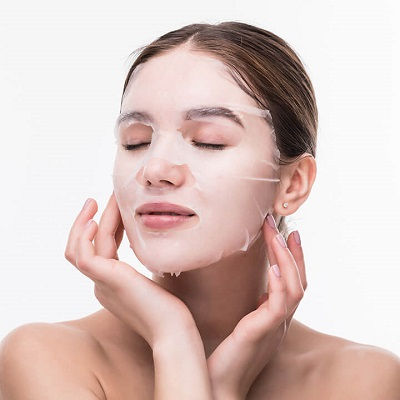
What Are Chemical Peels?
Chemical peels are cosmetic skin treatments that use specially formulated chemical solutions to remove the damaged outer layers of the skin. As the old skin peels away, new, healthier skin replaces it, revealing a smoother, brighter, and more youthful-looking complexion.
Depending on the skin concern and desired results, chemical peels are generally categorized into three types:
Superficial Peels
These are the mildest type and only target the outermost layer of skin. They are commonly used for improving dull skin, mild discoloration, and rough texture with minimal downtime.
Medium Peels
Medium-depth peels penetrate deeper into the skin to treat acne scars, pigmentation, sun damage, and early signs of aging. Recovery usually takes longer than superficial peels.
Deep Peels
Deep chemical peels reach the deeper layers of the skin and are typically used for significant wrinkles, severe sun damage, and deeper scars. They require more recovery time and are generally performed less frequently.
Top Benefits of Chemical Peels
Chemical peels provide numerous skin-enhancing benefits, making them a popular option for people seeking non-surgical skin rejuvenation.
Improves Skin Texture
One of the biggest advantages of chemical peels is smoother skin. By removing damaged surface cells, the treatment encourages fresh skin growth, leaving the complexion softer and more even.
Reduces Fine Lines and Wrinkles
As skin naturally ages, fine lines begin to appear around the eyes, mouth, and forehead. Chemical peels stimulate skin renewal, helping reduce the appearance of early wrinkles while promoting healthier-looking skin.
Treats Acne and Acne Scars
Chemical peels help unclog pores, reduce excess oil production, and remove dead skin cells that contribute to acne breakouts. They can also gradually improve the appearance of post-acne marks and shallow acne scars.
Brightens Uneven Skin Tone
Sun exposure, hormonal changes, and aging can lead to pigmentation and dark spots. Chemical peels help fade discoloration, creating a brighter and more balanced complexion over time.
Boosts Collagen Production
Certain chemical peels stimulate collagen production, an essential protein responsible for maintaining skin firmness and elasticity. Increased collagen contributes to smoother, healthier, and younger-looking skin.
Enhances Skincare Product Absorption
After dead skin cells are removed, skincare products can penetrate the skin more effectively. This often improves the performance of moisturizers, serums, and other topical treatments.
Who Can Benefit from Chemical Peels?
Chemical peels are suitable for many individuals who wish to improve their skin's appearance. They are commonly recommended for those experiencing:
Mild to moderate acne
Acne scars
Sun damage
Uneven skin tone
Hyperpigmentation
Fine lines
Rough skin texture
Enlarged pores
Age spots
Dull complexion
The most suitable type of peel depends on the individual's skin type, concerns, and treatment goals. A professional skin assessment is usually recommended before beginning treatment.
What to Expect Before, During, and After the Treatment
Understanding the treatment process helps reduce anxiety and ensures realistic expectations.
Before the Treatment
Before undergoing a chemical peel, individuals are often advised to:
Avoid excessive sun exposure.
Stop using harsh exfoliating products for several days.
Inform the skincare professional about current medications and existing skin conditions.
Follow all preparation instructions carefully.
During the Treatment
The skin is first cleansed thoroughly before the chemical solution is carefully applied. Depending on the type of peel, a mild tingling, warmth, or temporary burning sensation may occur. The treatment itself generally takes between 20 and 60 minutes.
After the Treatment
Recovery varies depending on the strength of the peel. It is common to experience:
Mild redness
Dryness
Tightness
Peeling or flaking
Temporary sensitivity
Proper aftercare plays a major role in achieving the best results. Moisturizing the skin, avoiding direct sunlight, and using sunscreen daily are essential during recovery.
Are There Any Risks or Side Effects?
Like any cosmetic procedure, chemical peels may have potential side effects. Most are temporary and improve as the skin heals.
Possible side effects include:
Redness
Swelling
Dryness
Peeling
Mild irritation
Temporary skin sensitivity
Less commonly, complications such as prolonged pigmentation changes or infection may occur, particularly if aftercare instructions are not followed properly. Individuals with certain skin conditions or very sensitive skin should discuss their suitability before treatment.
Tips for Getting the Best Results from Chemical Peels
Achieving healthy, glowing skin involves more than the treatment itself. Following proper skincare practices before and after the procedure helps maximize the benefits.
Some useful tips include:
Always wear broad-spectrum sunscreen.
Keep the skin well moisturized.
Avoid picking or peeling flaking skin.
Follow recommended skincare routines.
Stay hydrated.
Avoid excessive heat and direct sunlight during recovery.
Be patient, as full results often develop gradually over several weeks.
Consistency with a healthy skincare routine can help maintain improvements for longer periods.
Are Chemical Peels Worth Trying?
For many people, chemical peels offer an effective solution for improving skin quality without invasive procedures. Whether the goal is reducing acne scars, softening fine lines, correcting uneven pigmentation, or simply refreshing dull skin, this treatment can deliver noticeable improvements when selected appropriately.
The best outcomes come from choosing the right type of chemical peel for individual skin concerns, following recommended aftercare instructions, and maintaining realistic expectations. Since every person's skin responds differently, professional guidance helps determine the safest and most effective treatment plan.
When combined with good skincare habits and sun protection, chemical peels can become a valuable part of a long-term skin health routine.
Conclusion
Chemical peels continue to be one of the most trusted cosmetic skin treatments because they effectively target multiple skin concerns at once. By encouraging skin renewal, improving texture, reducing pigmentation, minimizing acne scars, and promoting a brighter complexion, they provide both cosmetic and confidence-boosting benefits.
Understanding the different types of chemical peels, knowing what to expect during recovery, and following proper aftercare are essential for achieving satisfying results. With the right approach, chemical peels can help reveal healthier, smoother, and more radiant skin while supporting long-term skin wellness.
FAQs
1. What are chemical peels used for?
Chemical peels are commonly used to improve skin texture, reduce acne scars, minimize fine lines, fade pigmentation, treat sun damage, and brighten dull skin.
2. Are chemical peels painful?
Most people experience mild tingling, warmth, or a temporary burning sensation during treatment. The level of discomfort depends on the strength of the peel.
3. How long does it take to recover from a chemical peel?
Recovery varies based on the type of peel. Superficial peels may heal within a few days, while medium and deep peels can require several weeks for complete recovery.
4. Can chemical peels help with acne scars?
Yes. Medium-depth chemical peels are often effective in reducing the appearance of mild to moderate acne scars by encouraging new skin growth.
5. How often can someone get a chemical peel?
The frequency depends on the type of peel and individual skin needs. Mild peels may be performed more regularly, while deeper peels require much longer intervals between treatments.
6. Is sunscreen necessary after a chemical peel?
Yes. Sunscreen is essential after a chemical peel because the new skin is more sensitive to ultraviolet (UV) rays. Daily sun protection helps prevent pigmentation and protects the healing skin.
Read More About Laser Chemical Peels: https://666972af349f3.site123.me/blog/how-laser-carbon-peel-improves-skin-texture


Comments