What to Expect After Chemical Peels Treatment
Chemical Peels are one of the most widely used skin-resurfacing treatments in modern skincare. They are designed to improve the skin’s texture, tone, and overall appearance by encouraging the removal of dead skin cells and stimulating new skin growth. For people dealing with concerns like dullness, acne scars, fine lines, or uneven pigmentation, Chemical Peels often become a trusted option.
While the treatment itself is relatively straightforward, many people feel unsure about what happens afterward. Understanding the post-treatment phase is just as important as understanding the procedure itself. The recovery process, visible changes, and proper aftercare all play a major role in achieving the best possible results.
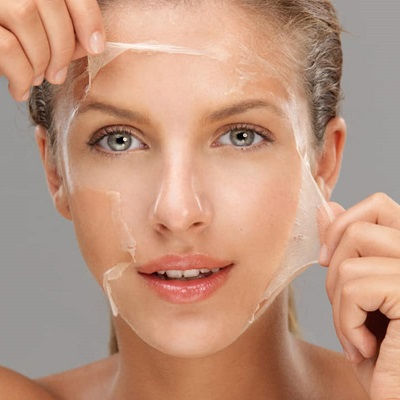
What Are Chemical Peels?
Chemical peels are skin treatments that use specially formulated solutions to exfoliate the outer layers of the skin. Depending on the type and strength of the peel, they can target the very surface or reach deeper layers of the skin.
The main goal is to remove damaged skin cells and encourage the regeneration of healthier, smoother skin underneath. This process can help improve common concerns such as uneven skin tone, sun damage, fine lines, mild scars, and clogged pores.
There are generally three levels of chemical peels: light, medium, and deep. Each level works differently and comes with its own expected results and recovery time. Light peels are usually mild and involve minimal downtime, while deeper peels can create more noticeable changes but also require longer healing periods.
How They Work & Types of Chemical Peels
Chemical peels work by applying an exfoliating solution that gently or deeply removes layers of the skin. Once the outer damaged layers begin to shed, the body responds by producing fresh, new skin cells.
Light peels typically use mild acids such as alpha hydroxy acids (AHAs) to gently exfoliate the outer layer. These are often used for improving skin brightness, smoothing rough texture, and maintaining healthy skin.
Medium-depth peels go further into the skin and often address pigmentation, acne scars, and more noticeable signs of aging. These may use stronger acids that require more careful recovery.
Deep peels penetrate several layers of skin and are usually chosen for more severe skin concerns, such as deep wrinkles or significant sun damage. Because they are more intensive, they also involve a longer recovery period and more noticeable peeling.
Regardless of the type, all chemical peels aim to trigger skin renewal, which is why the post-treatment phase is so important.
What to Expect After Treatment
After undergoing a chemical peel, the skin typically goes through a predictable series of changes. Immediately after the session, the skin may appear slightly red or feel tight, similar to a mild sunburn. This is a normal reaction as the skin begins its renewal process.
In the first couple of days, dryness and sensitivity are common. Some individuals may notice their skin becoming slightly darker before it starts to peel or flake. This is part of the natural shedding process, where damaged skin cells are making way for new skin.
Peeling usually begins within two to five days, depending on the strength of the peel. It is important not to pick or peel the skin manually, as this can lead to irritation or scarring. Instead, the skin should be allowed to shed naturally.
During this stage, the skin may also feel itchy or slightly rough. Moisturization and gentle care help ease discomfort and support the healing process.
Recovery Timeline & Aftercare
The recovery timeline varies depending on the depth of the peel. Light peels may heal within a few days, while medium peels can take about one to two weeks. Deep peels may require several weeks for full recovery.
In the first 24 to 48 hours, the focus is on soothing the skin and reducing sensitivity. The skin should be kept hydrated with gentle, non-irritating products. Sun protection is extremely important, as freshly treated skin is more vulnerable to UV damage.
As peeling begins, the skin may flake in small patches. This is a normal part of the process and should not be forced. Keeping the skin moisturized helps reduce tightness and discomfort.
Once the peeling phase is complete, the skin may appear noticeably smoother and brighter. However, the final results continue to improve over the following weeks as collagen production increases and new skin fully develops.
Aftercare plays a major role in the outcome. Avoiding harsh skincare products, staying out of direct sunlight, and following a gentle skincare routine all help maintain the benefits of the treatment.
Benefits & Results
The benefits of chemical peels are both immediate and long-term. One of the most noticeable results is improved skin texture. The skin often feels softer and looks more refined after the healing process is complete.
Another key benefit is the reduction of pigmentation issues. Sunspots, uneven skin tone, and mild discoloration often appear lighter over time. This contributes to a more even and radiant complexion.
For individuals dealing with acne-prone skin, chemical peels can also help by unclogging pores and reducing breakouts. Regular treatments may lead to clearer skin and fewer active acne flare-ups.
Fine lines and early signs of aging can also improve, especially with repeated treatments. By stimulating collagen production, the skin becomes firmer and more youthful in appearance.
It is important to remember that results vary depending on skin type, peel strength, and consistency of care. However, many people notice visible improvement after just one session, with enhanced results over time.
FAQs
1. How long does peeling last after a chemical peel?
Peeling typically lasts between 3 to 7 days for light peels and up to two weeks for medium peels. The duration depends on the depth of the treatment and individual skin response.
2. Is it normal for skin to look worse before it gets better?
Yes, it is common for the skin to appear dry, darker, or slightly uneven before peeling begins. This is part of the natural exfoliation process.
3. Can makeup be used after a chemical peel?
Makeup is usually avoided for at least a few days after treatment, especially during active peeling. Once the skin begins healing, lightweight and non-irritating makeup may be used if necessary.
4. How should the skin be cleaned after a chemical peel?
Gentle cleansing with mild, fragrance-free cleansers is recommended. Harsh scrubbing or exfoliation should be avoided during the healing period.
5. Are chemical peels suitable for all skin types?
Chemical peels can be customized for different skin types, but not every peel is suitable for every individual. A tailored approach is often used based on skin sensitivity and concerns.
6. How often can chemical peels be done?
The frequency depends on the type of peel and skin goals. Light peels may be done more regularly, while deeper peels require longer gaps between sessions.
Read More About Chemical Peels: https://eshanasir556.wixsite.com/enfieldclinicoman/post/do-dermatologists-recommend-green-peels


Comments