What Lab Tests to Monitor on Ozempic Injections
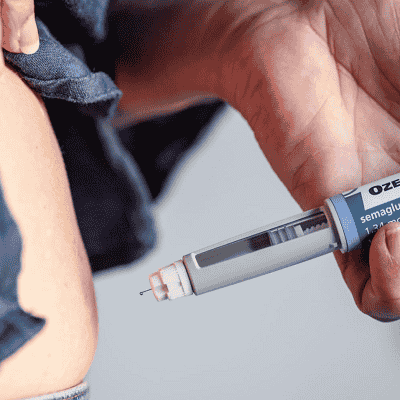
Ozempic injections have gained popularity as an effective treatment for managing type 2 diabetes and supporting weight management. Containing semaglutide, a GLP-1 receptor agonist, these injections help regulate blood sugar levels, improve insulin sensitivity, and reduce appetite. For individuals considering or currently using Ozempic injections in Muscat, monitoring lab tests is an essential part of ensuring safety, effectiveness, and overall health.
Understanding which laboratory markers to track, why they matter, and how frequently they should be monitored can make the treatment journey smoother and more successful.
Understanding Ozempic Injections
Ozempic is designed to mimic the effects of the natural hormone GLP-1 (glucagon-like peptide-1), which plays a role in regulating blood sugar, slowing gastric emptying, and signaling satiety. These effects contribute to more stable glucose levels and can assist with weight loss in some patients.
Because Ozempic works systemically and can influence multiple metabolic processes, monitoring specific lab parameters is critical. Regular testing ensures that the medication is working effectively and that any potential side effects are detected early.
Key Lab Tests to Monitor
Several laboratory tests are recommended for individuals using Ozempic injections in Muscat. These tests evaluate blood sugar control, kidney function, liver health, and other essential markers.
1. Blood Glucose Levels
Monitoring blood glucose is fundamental. Even with Ozempic’s effects, patients should regularly check:
Fasting Blood Glucose (FBG): Measures glucose after at least 8 hours of fasting. Provides a baseline to see how well Ozempic controls glucose overnight.
Postprandial Glucose: Measures blood sugar after meals to assess the body’s response to food.
Self-Monitoring via Glucometer: Daily monitoring can help detect hypoglycemia or hyperglycemia and allows for timely adjustments.
2. HbA1c (Glycated Hemoglobin)
HbA1c provides an overview of average blood sugar over the past 2–3 months. It is the gold standard for long-term diabetes management. Individuals using Ozempic should have their HbA1c checked at least every 3–6 months to ensure the medication is effectively controlling blood sugar.
3. Kidney Function Tests
Since diabetes can affect kidney health, monitoring kidney function is important while using Ozempic:
Serum Creatinine and eGFR: Indicates kidney filtering efficiency and helps detect early kidney impairment.
Urine Albumin-to-Creatinine Ratio (ACR): Detects protein leakage in urine, an early sign of kidney damage.
These tests are usually performed at baseline before starting Ozempic and periodically thereafter.
4. Liver Function Tests
Ozempic can indirectly affect liver health due to changes in metabolism and weight. Routine liver function tests (LFTs) can help detect any potential issues:
ALT (Alanine Aminotransferase) and AST (Aspartate Aminotransferase): Key enzymes that indicate liver cell health.
Bilirubin and ALP (Alkaline Phosphatase): Additional markers to assess liver and bile function.
5. Lipid Profile
Ozempic often contributes to weight loss and improved metabolic health. Monitoring lipid levels helps evaluate cardiovascular risk:
Total Cholesterol, LDL, HDL, Triglycerides: Changes in lipid profile can reflect improvements in metabolic health and guide additional interventions if necessary.
6. Electrolytes and Other Metabolic Parameters
Ozempic can sometimes influence hydration status and metabolism. Routine tests may include:
Sodium, Potassium, Calcium: To detect any imbalances that could affect overall health.
Vitamin B12: Long-term GLP-1 therapy can occasionally reduce vitamin B12 absorption, so periodic checks are recommended.
How Often Should Lab Tests Be Done?
Frequency depends on individual health status, diabetes control, and medical history. General guidelines include:
Baseline Tests: Before starting Ozempic, including kidney function, liver function, HbA1c, and lipid profile.
Early Follow-Up: Blood glucose checks daily or as directed; HbA1c at 3 months.
Routine Monitoring: Kidney function, liver function, and lipid profile every 6–12 months, or sooner if there are health concerns.
Frequent communication with a healthcare provider ensures timely adjustments and early detection of any potential issues.
Tips for Optimizing Lab Test Accuracy
To ensure accurate results while using Ozempic injections in Muscat, consider the following:
Fast Properly: Fasting is required for certain tests such as fasting glucose, lipid profile, and some liver function tests.
Stay Consistent: Schedule lab tests at similar times of day for consistency, especially fasting tests.
Hydrate Well: Proper hydration ensures accurate kidney function tests.
Maintain Medication Schedule: Continue Ozempic and other medications as prescribed unless advised otherwise by a healthcare provider.
Understanding Results
Lab results should always be interpreted by a healthcare professional. However, a basic understanding can help users track progress:
HbA1c: Lower values indicate improved long-term glucose control. Ideal targets vary by individual, often <7% for many adults.
Fasting and Postprandial Glucose: Consistently high readings may indicate a need for dosage adjustment or lifestyle changes.
Kidney and Liver Function: Values outside the normal range may require further investigation or adjustment of therapy.
Lipid Profile: Improvements in LDL, HDL, and triglycerides are a positive sign of metabolic health.
Lifestyle Considerations Alongside Ozempic
Lab monitoring is just one part of managing health with Ozempic. Complementary lifestyle measures help optimize outcomes:
Balanced Diet: Focus on nutrient-rich foods, portion control, and reduced simple sugars.
Regular Physical Activity: Supports blood sugar control and cardiovascular health.
Weight Management: Ozempic can assist with weight loss, but maintaining a healthy lifestyle enhances benefits.
Stress Management and Sleep: Both can influence blood sugar levels and overall well-being.
FAQs About Lab Monitoring for Ozempic Injections in Muscat
1. Are lab tests mandatory for everyone using Ozempic?
Yes, regular lab monitoring is strongly recommended to ensure the medication is safe and effective.
2. Can Ozempic affect kidney or liver function?
While uncommon, changes can occur, especially in individuals with pre-existing conditions. Regular tests help detect any issues early.
3. How often should I check my HbA1c?
Typically, every 3–6 months, depending on blood sugar control and healthcare provider recommendations.
4. Can Ozempic impact my vitamin levels?
Yes, long-term use may affect vitamin B12 absorption, so periodic monitoring is advised.
5. Are there any tests to watch for side effects?
Kidney function, liver function, and electrolytes are commonly monitored to ensure safe treatment.
6. Can lifestyle changes reduce the need for frequent tests?
While healthy lifestyle changes improve outcomes, lab monitoring is still necessary to detect subtle changes and prevent complications.
Final Thoughts
Monitoring lab tests is a crucial part of managing treatment with Ozempic injections in Muscat. By regularly assessing blood glucose, HbA1c, kidney and liver function, lipid profiles, and metabolic markers, users can ensure the medication is working effectively while minimizing risks.
Combining lab monitoring with a balanced diet, regular exercise, and healthy lifestyle choices provides the best outcomes for blood sugar control, weight management, and overall wellness. With consistent monitoring and professional guidance, Ozempic injections can be a safe and effective component of diabetes care and metabolic health.


Comments