What Is Rhinoplasty? A Simple Guide for Beginners
Rhinoplasty in Muscat, commonly known as a nose job, is a surgical procedure designed to reshape the nose for either cosmetic or functional purposes. In Muscat, interest in rhinoplasty has grown steadily, with many individuals seeking ways to enhance their facial harmony or address breathing difficulties. This guide provides a clear, beginner-friendly overview of rhinoplasty, explaining what it entails, the different types, and what patients can expect during the process.
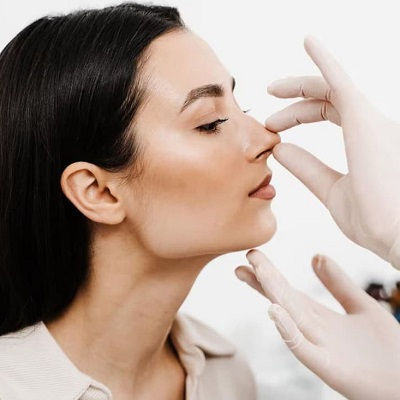
Understanding Rhinoplasty
Rhinoplasty is a surgical procedure that modifies the shape, size, or structure of the nose. While many people associate it solely with cosmetic improvements, rhinoplasty also plays a vital role in correcting functional issues such as a deviated septum, breathing problems, or nasal trauma.
The primary goal of rhinoplasty is to create a nose that complements the rest of the face while maintaining natural proportions. In Muscat, patients often seek rhinoplasty to enhance aesthetic balance while preserving cultural and facial identity.
Types of Rhinoplasty
Rhinoplasty procedures can be broadly categorized into cosmetic and functional types:
1. Cosmetic Rhinoplasty
This type focuses on improving the appearance of the nose. Common adjustments include:
Reducing a nasal hump or bump
Refining the nasal tip
Narrowing the nostrils
Adjusting the nasal bridge for symmetry
Cosmetic rhinoplasty is tailored to individual facial features, ensuring the nose enhances overall facial harmony.
2. Functional Rhinoplasty
Functional rhinoplasty addresses structural issues that affect breathing. Examples include:
Correcting a deviated septum
Repairing nasal injuries
Resolving chronic nasal congestion
Many patients benefit from a combination of cosmetic and functional rhinoplasty, improving both appearance and nasal function.
How Rhinoplasty Is Performed
Rhinoplasty is typically performed under general anesthesia, although local anesthesia with sedation may be an option for minor procedures. The surgical approach depends on the complexity of the procedure:
Open Rhinoplasty: The surgeon makes a small incision across the columella (the tissue between the nostrils) to access the nasal structures directly. This approach allows for precise modifications and is often preferred for complex cases.
Closed Rhinoplasty: Incisions are made inside the nostrils, leaving no visible scars. This method is less invasive and usually suited for minor adjustments.
During surgery, the surgeon may reshape the bone and cartilage, remove or add tissue, and refine the nasal tip or bridge. The procedure typically lasts between one to three hours, depending on the complexity.
Benefits of Rhinoplasty
Rhinoplasty offers a range of benefits beyond aesthetic enhancement:
1. Improved Facial Harmony
A well-proportioned nose can enhance overall facial balance and symmetry. Rhinoplasty helps create a nose that complements the eyes, lips, and other facial features.
2. Enhanced Self-Confidence
Many patients experience a boost in self-esteem after rhinoplasty. Feeling confident about one’s appearance can positively impact social interactions, personal relationships, and overall quality of life.
3. Corrected Breathing Issues
Functional rhinoplasty improves nasal airflow, helping patients breathe more easily and reducing problems such as snoring or chronic congestion.
4. Restoration After Injury
Rhinoplasty can repair deformities caused by accidents or trauma, restoring both the appearance and function of the nose.
Preparing for Rhinoplasty
Before undergoing rhinoplasty in Muscat, patients should consider several important steps:
Consultation: A thorough consultation with a qualified surgeon is essential. Patients should discuss their goals, medical history, and expectations.
Medical Evaluation: Pre-surgery tests may include blood work or imaging studies to ensure the patient is fit for surgery.
Lifestyle Adjustments: Patients may need to avoid smoking, certain medications, and alcohol before surgery to promote optimal healing.
Setting Realistic Expectations: While rhinoplasty can create significant improvements, it is important to understand that results take time, and the final outcome may vary slightly from initial expectations.
Recovery After Rhinoplasty
Recovery from rhinoplasty varies depending on the complexity of the procedure. Typical stages include:
Immediate Post-Operative Period: Patients may experience swelling, bruising, and mild discomfort. Pain can usually be managed with prescribed medications.
First Week: Splints or bandages may be applied to support the new nose shape. Most swelling and bruising begin to subside during this period.
Weeks 2-4: Patients often return to normal daily activities but should avoid strenuous exercise or activities that could impact the nose.
Long-Term Healing: Subtle changes and refinements continue for several months as swelling fully resolves and tissues settle into their new shape.
Following the surgeon’s post-operative instructions is crucial to ensure optimal results and minimize complications.
Risks and Considerations
As with any surgical procedure, rhinoplasty carries potential risks, including:
Infection
Bleeding
Swelling or bruising
Temporary numbness
Unsatisfactory aesthetic outcome
Choosing a skilled and experienced surgeon, following pre- and post-operative guidelines, and having realistic expectations can significantly reduce these risks.
Frequently Asked Questions (FAQs)
1. Is rhinoplasty suitable for all ages?
Rhinoplasty is typically recommended for individuals whose facial growth is complete, usually in the late teens or early twenties. Functional rhinoplasty may be performed earlier if necessary.
2. How long do the results of rhinoplasty last?
Rhinoplasty results are generally long-lasting. While minor changes may occur over time due to aging, the overall improvements are usually permanent.
3. Can rhinoplasty fix a deviated septum?
Yes, functional rhinoplasty can correct a deviated septum and improve breathing issues while also refining the appearance of the nose.
4. Will there be visible scars after surgery?
Open rhinoplasty involves a small incision on the columella, which typically heals discreetly. Closed rhinoplasty leaves no visible scars.
5. How soon can normal activities be resumed?
Most patients can return to work or school within one to two weeks, avoiding strenuous activities for at least a month.
6. Does rhinoplasty affect the sense of smell?
Temporary changes in the sense of smell may occur but usually resolve as the nose heals. Permanent changes are rare.
Conclusion
Rhinoplasty is a versatile procedure that can enhance both the appearance and function of the nose. For beginners considering rhinoplasty in Muscat, understanding the basics—types, procedure, benefits, and recovery—is the first step toward making an informed decision. With careful planning, realistic expectations, and proper post-operative care, patients can achieve natural-looking results that boost confidence and improve quality of life.
Whether for cosmetic enhancement or functional improvement, rhinoplasty remains a powerful option for anyone seeking to harmonize their facial features and enjoy better nasal function.


Comments