Upper vs Lower Eyelid Surgery: Main Differences
- eshanasir556
- 7 hours ago
- 5 min read
The eyes are one of the most noticeable features of the face, and changes around the eyelids can significantly affect a person’s appearance and confidence. Over time, factors such as aging, genetics, lifestyle habits, and environmental exposure can lead to drooping eyelids, excess skin, puffiness, or under-eye bags. Many people explore eyelid surgery as a way to refresh their appearance and address functional concerns related to their vision.
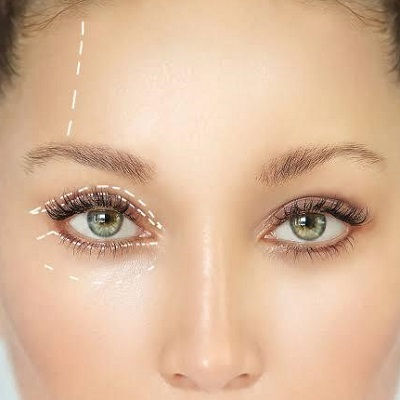
When considering Eyelid Surgery in Oman, one of the most common questions people have is whether they need upper eyelid surgery, lower eyelid surgery, or both. Although these procedures are performed in the same general area, they focus on different concerns and involve different techniques. Understanding the differences can help individuals make informed decisions during their consultation with a qualified medical professional.

What Is Eyelid Surgery and Why Is It Performed?
Eyelid surgery, also known as blepharoplasty, is a cosmetic and sometimes functional procedure designed to improve the appearance of the eyelids. It involves removing or repositioning excess skin, fat, or tissue around the eyes to create a smoother and more refreshed look.
The procedure is commonly chosen by people who experience signs of aging around the eyes, including sagging skin, tired-looking eyes, wrinkles, or puffiness. In some cases, eyelid changes may affect vision, especially when excess upper eyelid skin hangs over the eyelashes and blocks part of the visual field.
While eyelid surgery can enhance facial harmony, it does not stop the natural aging process. Instead, it aims to create a more youthful and balanced appearance while maintaining natural facial expressions.
Upper Eyelid Surgery: Focus, Benefits, and Results
Upper eyelid surgery focuses on improving the appearance of the upper eyelids. This procedure is often recommended for individuals who have loose or excess skin above the eyes, which may create a heavy or tired appearance.
During upper eyelid surgery, a surgeon typically makes an incision within the natural crease of the upper eyelid. Through this incision, excess skin and sometimes small amounts of fat are removed or adjusted. Because the incision is placed in the natural fold of the eyelid, the resulting scar is usually less noticeable after healing.
The main benefits of upper eyelid surgery include:
Reducing drooping or sagging upper eyelid skin
Creating a more open and refreshed eye appearance
Improving facial balance
Addressing vision problems caused by excessive eyelid skin in certain cases
Many individuals choose upper eyelid surgery because changes in this area can make them appear older or more fatigued than they actually feel. After recovery, the eyes often appear brighter and more naturally refreshed.
Lower Eyelid Surgery: Addressing Under-Eye Concerns
Lower eyelid surgery targets concerns beneath the eyes, especially issues such as under-eye bags, puffiness, and loose skin. Unlike upper eyelid surgery, which focuses mainly on the eyelid crease area, lower eyelid surgery addresses the transition between the lower eyelid and the cheek.
As people age, fat pockets beneath the eyes may become more visible, creating a tired or swollen appearance. The skin in this area can also lose elasticity, leading to wrinkles and sagging.
Lower eyelid surgery may involve removing or repositioning fat, tightening loose skin, or improving the overall contour of the under-eye area. In some cases, a technique may be used where the incision is hidden inside the lower eyelid, depending on the individual’s needs.
Common benefits of lower eyelid surgery include:
Reducing the appearance of under-eye bags
Smoothing wrinkles and loose skin
Creating a fresher appearance around the eyes
Improving the balance between the lower eyelids and cheeks
The goal is not to create a completely different appearance but to restore a more rested and youthful look.
Key Differences Between Upper and Lower Eyelid Surgery
Although both procedures are part of eyelid surgery, they differ in purpose, technique, and the concerns they address.
Upper eyelid surgery mainly focuses on the area above the eyes. It removes or adjusts excess skin that can cause a heavy eyelid appearance. Lower eyelid surgery focuses on the area below the eyes, targeting puffiness, under-eye bags, and changes in skin texture.
Another difference is the reason people choose each procedure. Upper eyelid surgery is sometimes performed for functional reasons when drooping skin interferes with vision. Lower eyelid surgery is usually chosen for cosmetic improvement related to aging signs and under-eye changes.
The recovery experience can also vary depending on the procedure performed. Swelling and bruising are common after both types of surgery, but the healing timeline may differ from person to person based on individual factors and the extent of treatment.
Choosing Between Upper and Lower Eyelid Surgery
The right option depends on each person’s facial structure, concerns, and desired outcome. Some individuals only have issues with the upper eyelids, while others may have concerns affecting both the upper and lower areas.
A consultation with a qualified specialist is an important step before deciding on surgery. During this appointment, the eyelid structure, skin condition, medical history, and aesthetic goals can be evaluated. The specialist can then recommend the most suitable approach.
Some factors that may influence the decision include:
The amount of excess eyelid skin
The presence of under-eye bags or puffiness
Skin elasticity
Facial proportions
Overall health and expectations
In some cases, combining upper and lower eyelid surgery may provide a more balanced facial rejuvenation by addressing multiple concerns at the same time.
Recovery and Aftercare Following Eyelid Surgery
Recovery after eyelid surgery requires patience and proper aftercare. Most people experience temporary swelling, bruising, tightness, or mild discomfort around the eyes. These effects usually improve gradually as the healing process continues.
Following post-operative instructions is essential for achieving the best possible results. General aftercare may include:
Keeping the head elevated while resting
Avoiding activities that increase pressure around the eyes
Protecting the eyes from direct sunlight
Using prescribed medications or ointments as instructed
Attending follow-up appointments
The final results become more noticeable as swelling decreases and the tissues settle. Maintaining a healthy lifestyle and protecting the skin around the eyes can also help support long-lasting results.
Is Eyelid Surgery the Right Choice?
Eyelid surgery can be an effective option for individuals who want to improve eyelid-related concerns and achieve a more refreshed appearance. However, it is important to have realistic expectations. The procedure enhances existing features rather than completely changing a person’s appearance.
People considering Eyelid Surgery in Oman should take time to understand the procedure, discuss their goals with an experienced professional, and learn about the possible benefits and risks. A personalized approach ensures that the treatment plan matches the individual’s needs.
With proper evaluation and care, eyelid surgery can help restore a smoother, more youthful appearance while preserving natural facial expressions.
FAQs
1. What is the main difference between upper and lower eyelid surgery?
Upper eyelid surgery focuses on removing excess skin or tissue above the eyes, while lower eyelid surgery addresses under-eye bags, puffiness, and loose skin beneath the eyes. Both procedures aim to improve the appearance of the eye area but target different concerns.
2. Can upper eyelid surgery improve vision problems?
In some cases, upper eyelid surgery may help improve vision issues caused by excessive sagging skin that blocks part of the visual field. A medical evaluation can determine whether the procedure may provide functional benefits.
3. How long does recovery from eyelid surgery usually take?
Recovery varies between individuals, but swelling and bruising generally improve gradually over the first few weeks. Complete healing and final results may take longer as the tissues continue to settle.
4. Can a person have both upper and lower eyelid surgery together?
Yes, some individuals choose combined eyelid surgery to address concerns in both areas. Treating both eyelids together may create a more balanced and refreshed appearance when recommended by a qualified specialist.
5. Are the results of eyelid surgery permanent?
Eyelid surgery provides long-lasting results, but the natural aging process continues over time. Maintaining healthy habits and proper skincare can help preserve the improved appearance.
6. Who is a suitable candidate for eyelid surgery?
Suitable candidates are generally healthy adults who have concerns such as sagging eyelids, under-eye bags, or excess skin and have realistic expectations about the outcome. A professional consultation is needed to determine individual suitability.


Comments