The FUT Hair Transplant Process: What to Expect During Your Procedure in Oman
Introduction
Hair loss can significantly impact one's self-esteem and overall quality of life. For many, hair transplant surgery is a viable solution to restore their hairline and regain confidence. Among various techniques available, Follicular Unit Transplantation (FUT) stands out as a popular choice. This article delves into the FUT Hair Transplant in Oman process, detailing what to expect during your procedure.
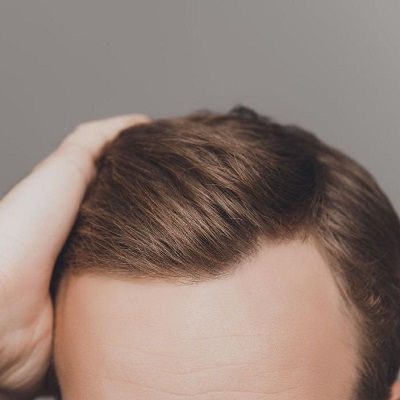
Understanding FUT Hair Transplantation
Follicular Unit Transplantation (FUT) is a surgical technique that involves the removal of a strip of skin containing hair follicles from a donor area, usually the back of the scalp. The removed strip is then dissected into individual follicular units, which are subsequently implanted into the balding or thinning areas of the scalp. This method is favored for its ability to yield a large number of grafts in a single session, making it an effective option for individuals with significant hair loss.
Pre-Procedure Consultation
Before the procedure, a thorough consultation with a qualified surgeon is essential. During this consultation, the surgeon will:
Assess Your Hair Loss: The surgeon will evaluate the extent and pattern of your hair loss, discussing your medical history and any underlying conditions.
Set Realistic Expectations: It’s crucial to understand what results you can expect from the procedure. The surgeon will show before-and-after photos of previous patients and discuss the anticipated outcomes.
Review Techniques: The surgeon will explain the FUT technique in detail, discussing the benefits and potential risks involved.
Pre-Operative Instructions: You will receive instructions regarding medications, lifestyle changes, and any necessary preparations leading up to the surgery date.
The Day of the Procedure
Arrival at the Facility
On the day of your FUT hair transplant, you will arrive at the facility and be welcomed by the medical team. After a brief introduction and review of the day’s plan, you will be prepared for the procedure.
Anesthesia Administration
To ensure comfort during the surgery, local anesthesia will be administered to the donor and recipient areas of the scalp. Sedation may also be offered to help you relax.
Donor Site Preparation
Once you are comfortable, the surgeon will prepare the donor site by trimming the hair in the area from which the strip will be harvested. This area is typically located at the back of the head, where hair is genetically more resistant to thinning.
Harvesting the Follicular Unit Strip
The surgeon will then carefully excise a strip of scalp skin containing hair follicles. The length and width of the strip will depend on the number of grafts required for your transplant. This procedure usually takes around 30 to 60 minutes.
Suturing the Donor Site
After the strip is removed, the donor site is closed with sutures or staples. The surgeon will ensure that the closure is done meticulously to minimize scarring and promote healing.
Follicle Preparation and Implantation
Dissection of Follicular Units
The harvested strip will be taken to a sterile area where a skilled team will dissect it into individual follicular units under a microscope. Each unit typically contains 1 to 4 hair follicles. This meticulous process is crucial to ensure the viability of the grafts and their natural appearance.
Implantation of Grafts
Once the follicular units are prepared, the surgeon will begin the implantation process in the recipient area. This involves making small incisions in the scalp and carefully placing each graft into the incisions. The angle, depth, and direction of the implanted hairs are meticulously considered to achieve a natural look. The implantation process can take several hours, depending on the number of grafts being transplanted.
Post-Procedure Care
After the procedure is complete, you will be given specific post-operative care instructions, which may include:
Medications: You may be prescribed pain medications and antibiotics to prevent infection.
Wound Care: Instructions on how to care for the donor and recipient sites to promote healing and reduce the risk of complications.
Activity Restrictions: Guidelines regarding physical activities and hair washing will be provided. It is important to avoid strenuous activities for a few weeks.
Expected Results and Healing Process
Initial Recovery
The initial recovery phase typically lasts about a week. During this time, you may experience swelling, redness, and minor discomfort in the recipient and donor areas. These symptoms usually subside within a few days.
Shedding Phase
It is common for the transplanted hairs to shed within a few weeks after the procedure. This phenomenon is known as “shock loss” and is a normal part of the hair growth cycle. New hair growth typically begins within three to four months.
Final Results
The final results of a FUT hair transplant may take up to a year to fully materialize, as the hair follicles continue to grow and thicken. Many patients experience natural-looking hair growth that can significantly enhance their appearance.
Conclusion
The FUT hair transplant process is a comprehensive procedure that can provide long-lasting solutions for those struggling with hair loss. Understanding the steps involved, from the initial consultation to post-operative care, can help set realistic expectations and alleviate any concerns. If you’re considering this procedure in Oman, consult with a qualified surgeon to explore your options and take the first step toward restoring your hair and confidence.


Comments