Profhilo Treatment vs PRP: Which One Should You Choose?
In the world of non-surgical skin rejuvenation, two treatments often generate curiosity: Profhilo and PRP (Platelet-Rich Plasma) therapy. Both aim to revitalize the skin, improve texture, and promote a youthful appearance—but they do so in different ways. For individuals in Oman considering cosmetic treatments, understanding the differences can help make an informed decision about which option suits their goals.
This guide explores how each treatment works, who can benefit, and key factors to consider when choosing between Profhilo Treatment in Oman and PRP therapy.
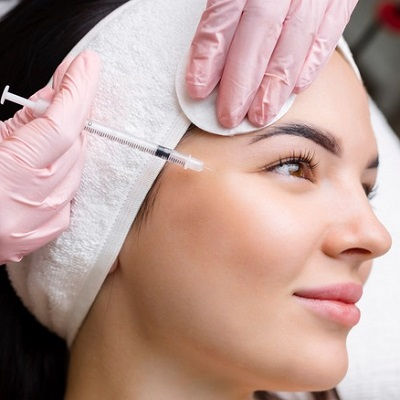
Understanding Profhilo Treatment
Profhilo is a revolutionary injectable composed of high-concentration hyaluronic acid. Unlike traditional dermal fillers, it doesn’t add volume to the face. Instead, it spreads evenly beneath the skin to hydrate, improve elasticity, and stimulate collagen and elastin production—a process known as bio-remodeling.
Key benefits of Profhilo include:
Enhanced skin hydration and firmness
Reduction in fine lines and early signs of aging
Subtle, natural rejuvenation without altering facial features
Gradual improvement in skin texture and radiance
Profhilo is especially popular among individuals who want a gentle, natural enhancement and are concerned with overall skin health rather than dramatic facial contouring.
Understanding PRP (Platelet-Rich Plasma) Therapy
PRP therapy is a treatment that uses a patient’s own blood to promote skin healing and regeneration. The blood is processed to concentrate platelets, which are rich in growth factors. These platelets are then injected back into the skin to stimulate tissue repair, collagen production, and cell renewal.
Benefits of PRP therapy include:
Improved skin texture and tone
Reduction in fine lines and mild wrinkles
Acceleration of natural healing and regeneration processes
Can be used for hair restoration as well as skin rejuvenation
PRP is ideal for those looking for a natural treatment derived from their own body, with minimal risk of allergic reactions or complications.
Profhilo vs PRP: How They Differ
While both treatments improve skin quality, there are key differences in their mechanisms, results, and suitability.
1. Composition and Mechanism
Profhilo: Contains high levels of hyaluronic acid to hydrate and remodel the skin. It spreads beneath the skin and stimulates collagen and elastin production.
PRP: Uses the patient’s own platelets and growth factors to promote tissue regeneration and collagen synthesis.
2. Treatment Focus
Profhilo: Primarily improves hydration, elasticity, and skin firmness.
PRP: Focuses on regeneration and repair, improving skin texture, tone, and sometimes hair growth.
3. Results Timeline
Profhilo: Clients often notice hydration and glow within a week, with optimal results after 4–6 weeks.
PRP: Results are gradual and typically become visible over 2–3 months as tissue repair occurs.
4. Downtime
Profhilo: Minimal downtime; minor redness or bumps may appear temporarily.
PRP: Slight redness, swelling, or bruising at injection sites may last 1–2 days.
5. Suitability
Profhilo: Ideal for early signs of aging, dull or dehydrated skin, and those seeking subtle rejuvenation.
PRP: Suitable for individuals with mild scarring, uneven skin texture, or those seeking natural regenerative therapy.
Who Should Consider Profhilo Treatment in Oman?
Profhilo is particularly recommended for:
Individuals noticing early signs of aging such as fine lines and sagging skin
People with dry or dull skin seeking hydration and radiance
Those looking for subtle, natural results rather than dramatic facial changes
Individuals interested in a non-surgical procedure with minimal downtime
Because Profhilo targets skin quality rather than volume, it is best suited for clients who want to maintain a natural appearance while rejuvenating their skin.
Who Should Consider PRP Therapy?
PRP therapy is ideal for:
Individuals with uneven skin texture, mild acne scars, or dull skin
People who prefer a treatment derived from their own body
Those seeking both skin rejuvenation and minor hair restoration
Individuals comfortable with slower, gradual results
PRP is often combined with other treatments for enhanced effects, such as microneedling, to further stimulate collagen production and tissue repair.
Combining Profhilo and PRP: Is It Possible?
Some individuals may benefit from a combined approach. While Profhilo improves hydration and elasticity, PRP can further enhance regeneration and repair.
A treatment plan may involve:
Initial PRP sessions to repair damaged skin and stimulate collagen
Follow-up Profhilo injections to maintain hydration and firmness
Maintenance treatments every 6–12 months depending on individual goals
This approach can offer comprehensive skin rejuvenation by leveraging the strengths of both treatments.
Key Factors to Consider Before Choosing
When deciding between Profhilo treatment in Oman and PRP therapy, several factors should guide the choice:
Skin Goals: Determine whether the priority is hydration and firmness (Profhilo) or regeneration and repair (PRP).
Timeline: Consider how quickly visible results are desired. Profhilo offers faster initial improvements, while PRP results appear gradually.
Downtime Tolerance: Both treatments are minimally invasive, but PRP may cause slight bruising or swelling.
Natural Preference: PRP uses your own platelets, which may appeal to individuals seeking all-natural treatments.
Budget and Sessions: Treatment frequency and cost may vary. Profhilo typically involves two sessions, while PRP may require multiple sessions for optimal results.
A professional consultation can help assess skin needs and recommend the most appropriate treatment plan.
Frequently Asked Questions
1. Are Profhilo and PRP safe for all skin types?
Yes, both treatments are generally safe for most skin types. Profhilo uses hyaluronic acid, while PRP uses the patient’s own blood, minimizing the risk of allergic reactions.
2. How long do results last?
Profhilo results typically last 6–9 months, while PRP results may last several months depending on individual factors and the number of sessions.
3. Can these treatments be combined with other procedures?
Yes, both treatments can be combined with procedures like microneedling, Botox, or laser therapy for enhanced effects. Professional guidance is essential.
4. Is there any downtime?
Both treatments have minimal downtime. Profhilo may cause minor bumps, while PRP can lead to temporary redness or swelling.
5. Which treatment is better for aging skin?
Profhilo is ideal for early aging signs and maintaining hydration, while PRP is more suitable for regenerative purposes or uneven skin texture. Choice depends on individual skin goals.
6. How soon can I resume normal activities?
Most clients can return to their regular activities immediately after either treatment, though it’s recommended to avoid intense exercise or heat exposure for a short period.
Final Thoughts
Choosing between Profhilo treatment in Oman and PRP therapy depends on individual skin goals, desired results, and personal preferences. Profhilo excels at hydration, elasticity, and subtle rejuvenation, while PRP focuses on natural regeneration and repair. Both treatments are minimally invasive, safe, and effective when administered by trained professionals.
For optimal results, a consultation with a qualified practitioner is recommended to assess skin condition, determine the best approach, and tailor a personalized treatment plan. Whether opting for Profhilo, PRP, or a combination of both, these modern treatments offer safe, effective, and natural ways to enhance skin health and appearance.


Comments