Plastic Surgery: 7 Truths You Should Know Before Deciding
Plastic surgery has become more common than ever before, helping people improve their appearance, restore function after injuries, or correct physical concerns that affect confidence and daily life. While many individuals are familiar with cosmetic transformations seen on social media, there is much more to plastic surgery than simply enhancing looks.
Making the decision to undergo Plastic Surgery is personal and should never be rushed. It requires careful research, realistic expectations, and a clear understanding of the benefits, risks, and recovery process. Knowing the facts before making a decision can help individuals feel more confident and prepared.
This guide explores seven important truths everyone should know before deciding on plastic surgery, helping readers make informed choices about their health and appearance.
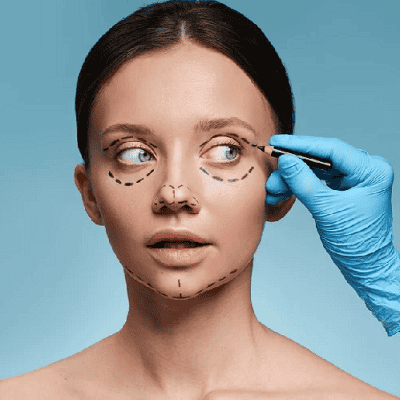
What Is Plastic Surgery?
Plastic surgery is a specialized branch of medicine focused on repairing, reconstructing, or enhancing different parts of the body. It generally falls into two main categories:
Reconstructive plastic surgery, which restores function and appearance after injuries, burns, birth defects, or medical conditions.
Cosmetic plastic surgery, which focuses on improving physical appearance according to personal preferences.
Common procedures may include facial surgery, breast procedures, body contouring, hand surgery, scar revision, and reconstructive treatments. Every procedure is designed differently based on an individual's unique anatomy and goals.
Truth #1: Plastic Surgery Is More Than Cosmetic Enhancement
One of the biggest misconceptions is that plastic surgery is only about beauty. In reality, many procedures are performed to improve quality of life rather than appearance alone.
Reconstructive procedures can help individuals recover from traumatic injuries, congenital conditions, burns, or surgeries performed to treat diseases. In many cases, plastic surgery restores normal function, reduces discomfort, and improves overall well-being.
Even cosmetic procedures often provide emotional benefits by addressing concerns that have affected self-confidence for years. However, the primary goal should always be personal satisfaction rather than meeting social expectations.
Truth #2: Realistic Expectations Are Essential
Plastic surgery can produce remarkable improvements, but it cannot create perfection. Every person's body heals differently, and results depend on many factors, including age, skin quality, overall health, and lifestyle habits.
People considering plastic surgery should understand that:
Results may take several months to fully develop.
Minor asymmetries are normal.
Scars usually fade over time but rarely disappear completely.
Aging continues even after cosmetic procedures.
Having realistic expectations often leads to greater satisfaction with the final outcome.
Truth #3: Every Surgical Procedure Carries Some Risks
Like any medical procedure, plastic surgery involves potential risks. Although many procedures are performed safely every day, complications can occur.
Possible risks may include:
Infection
Bleeding
Swelling
Bruising
Scarring
Delayed healing
Reactions to anesthesia
Unsatisfactory cosmetic results
Understanding these possibilities before surgery allows individuals to prepare mentally and physically. Discussing medical history, current medications, allergies, and lifestyle habits with the surgical team helps reduce potential risks.
Following all pre-operative and post-operative instructions also plays a major role in successful healing.
Truth #4: Recovery Requires Time and Patience
Many people focus on the procedure itself but underestimate the recovery period. Healing is a gradual process that cannot be rushed.
Recovery experiences vary depending on the procedure, but patients may experience:
Temporary swelling
Mild discomfort
Bruising
Limited physical activity
Fatigue during early healing
Some procedures require only a few days of recovery, while others may involve several weeks before returning to normal activities.
Visible improvements often continue for months as swelling decreases and tissues settle into their final position.
Giving the body adequate rest, eating nutritious foods, staying hydrated, and following aftercare instructions can support a smoother recovery.
Truth #5: Good Health Matters More Than Age
Many people believe plastic surgery is based mainly on age, but overall health is usually a more important factor.
Candidates may be better suited for surgery if they:
Are in generally good physical health
Do not have uncontrolled medical conditions
Maintain a stable weight
Avoid smoking or are willing to stop before surgery
Have realistic expectations
Understand the recovery process
Certain health conditions or lifestyle habits may increase surgical risks or delay healing. This is why comprehensive medical evaluations are performed before many procedures.
Maintaining healthy habits before and after surgery contributes significantly to long-term results.
Truth #6: Plastic Surgery Is Not a Substitute for a Healthy Lifestyle
Although plastic surgery can improve body shape or facial appearance, it should never replace healthy habits.
Procedures cannot permanently compensate for poor nutrition, lack of exercise, or significant weight fluctuations.
For example:
Body contouring does not replace weight management.
Facial procedures cannot stop natural aging.
Skin treatments work best alongside proper skincare.
Breast procedures do not eliminate the need for regular health screenings.
Individuals who maintain balanced nutrition, regular physical activity, quality sleep, and proper skincare often enjoy longer-lasting results after surgery.
A healthy lifestyle supports both recovery and overall wellness.
Truth #7: Emotional Readiness Is Just as Important as Physical Readiness
Choosing plastic surgery should be a personal decision rather than one influenced by family, friends, or social media trends.
People often achieve the greatest satisfaction when they pursue surgery for their own reasons instead of trying to meet someone else's expectations.
Before making a decision, individuals should honestly consider:
Why they want the procedure
What they hope to achieve
Whether their expectations are realistic
Whether they understand the recovery process
Whether they feel emotionally prepared
Taking time to reflect helps ensure the decision is thoughtful rather than impulsive.
How to Prepare Before Choosing Plastic Surgery
Preparation begins long before the scheduled procedure. Careful planning can improve both safety and recovery.
Helpful preparation steps include:
Learning about the procedure from reliable medical sources.
Understanding possible benefits and risks.
Asking detailed questions during consultations.
Sharing complete medical history and medications.
Following instructions regarding eating, drinking, and medications before surgery.
Arranging transportation and support during recovery.
Preparing the home with comfortable recovery essentials.
Being well-informed reduces anxiety and helps individuals approach surgery with confidence.
Benefits of Making an Informed Decision
When individuals fully understand plastic surgery before proceeding, they are more likely to feel satisfied with both the process and the outcome.
Some potential benefits include:
Increased confidence
Improved physical comfort
Better body proportions
Enhanced facial harmony
Reconstruction after injury or illness
Greater awareness of realistic expectations
Better long-term satisfaction
Knowledge allows people to make decisions based on facts instead of unrealistic promises or online trends.
Final Thoughts
Plastic surgery can offer meaningful physical and emotional benefits for the right candidates, but it is not a decision that should be made lightly. Understanding the realities of surgery, recovery, risks, and long-term expectations allows individuals to approach the process with greater confidence.
Every person's goals, anatomy, and medical history are different, making careful research and informed decision-making essential. By focusing on realistic expectations, overall health, and proper preparation, individuals can make choices that support both their appearance and their well-being.
Rather than chasing perfection, plastic surgery is most successful when it helps people feel more comfortable, confident, and satisfied with themselves while maintaining a healthy perspective on what surgery can realistically achieve.
FAQs
1. Is plastic surgery only for cosmetic purposes?
No. Plastic surgery includes both cosmetic procedures that enhance appearance and reconstructive procedures that restore function and appearance after injuries, birth defects, burns, or medical conditions.
2. Who is considered a good candidate for plastic surgery?
A good candidate is generally someone in good overall health, with realistic expectations, stable physical health, and a clear understanding of the procedure and recovery process.
3. How long does recovery from plastic surgery usually take?
Recovery depends on the type of procedure performed. Some individuals recover within a few days, while more extensive surgeries may require several weeks or even months for complete healing.
4. Are the results of plastic surgery permanent?
Many results can be long-lasting, but natural aging, lifestyle habits, and changes in body weight may affect the appearance over time. Maintaining a healthy lifestyle helps preserve results.
5. What are the common risks associated with plastic surgery?
Potential risks include infection, bleeding, swelling, bruising, scarring, delayed healing, anesthesia-related complications, and outcomes that may not fully meet expectations.
6. Can plastic surgery improve self-confidence?
For many individuals, plastic surgery can improve confidence by addressing concerns that have affected their self-image. However, it is important to have realistic expectations and make the decision for personal reasons rather than external pressure.
Read More About Plastic Surgery: https://diigo.com/0134yie


Comments