Pediatric Dermatologists: Caring for Your Child’s Skin
- eshanasir556
- Sep 11, 2025
- 4 min read
Every parent wants their child to be healthy, happy, and comfortable in their own skin. While some skin issues are minor and temporary, others require specialized care to prevent discomfort, scarring, or long-term complications. This is where pediatric dermatologists come in. Pediatric Dermatologists are medical specialists trained to diagnose, treat, and manage skin conditions specifically in infants, children, and adolescents. Understanding their role and the services they provide can help parents make informed decisions about their child’s skin health.
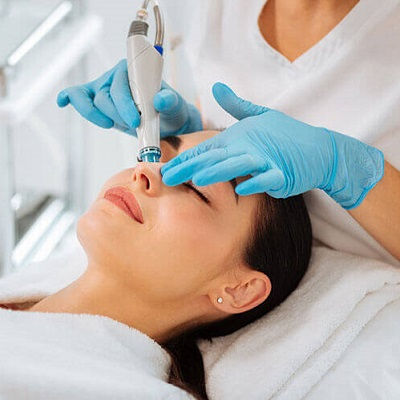
What Pediatric Dermatologists Do
Pediatric dermatologists focus on skin, hair, and nail conditions in children. Unlike general dermatologists, they are trained to understand the unique ways skin conditions manifest in young patients, whose immune systems, skin structure, and sensitivity differ from adults. These specialists handle a wide range of issues, including:
Eczema and atopic dermatitis
Birthmarks and vascular anomalies
Acne and hormonal skin changes in teenagers
Skin infections, such as fungal or bacterial infections
Genetic or rare skin disorders
Because children may not always express discomfort clearly, pediatric dermatologists use gentle examination techniques and family-centered communication to assess and treat conditions effectively.
Common Skin Conditions in Children
Children’s skin is more delicate and sensitive than adults', making them prone to a variety of dermatological issues. Some common conditions include:
Eczema (Atopic Dermatitis)
Eczema is a chronic condition that causes dry, itchy, and inflamed skin. It often appears on the cheeks, arms, and legs. Pediatric dermatologists can develop individualized treatment plans that may include moisturizing routines, topical medications, and guidance on avoiding triggers.
Acne
Teenagers often experience hormonal acne, which can affect self-esteem and cause permanent scarring if untreated. Pediatric dermatologists provide safe treatment options suitable for young skin, balancing efficacy with minimal side effects.
Birthmarks and Skin Growths
Some birthmarks are harmless, but others, such as hemangiomas or port-wine stains, may require monitoring or intervention. Early evaluation ensures the best outcomes and prevents potential complications.
Skin Infections
Children are susceptible to bacterial, fungal, and viral infections like impetigo, ringworm, or warts. Pediatric dermatologists can diagnose infections promptly and prescribe safe medications to prevent spreading or worsening.
Genetic or Rare Skin Disorders
Some children may develop rare skin conditions that affect overall health. Pediatric dermatologists collaborate with other specialists to manage these conditions comprehensively.
When to See a Pediatric Dermatologist
Parents might wonder whether a skin issue is severe enough to warrant a specialist visit. While many minor rashes and bumps resolve on their own, certain signs suggest it’s time to seek professional care:
Persistent or worsening rashes
Severe itching or discomfort affecting sleep or daily activities
Skin lesions that bleed, ooze, or form scabs frequently
Rapidly changing birthmarks or unusual growths
Acne causing scarring or emotional distress
Early intervention by a pediatric dermatologist can prevent complications, reduce discomfort, and improve long-term skin health.
Tips for Maintaining Healthy Skin in Children
Healthy skin care begins at home. While pediatric dermatologists provide treatment, daily routines play a significant role in prevention and management. Here are some practical tips:
Gentle Cleansing: Use mild, fragrance-free cleansers suitable for children’s skin. Avoid harsh soaps that can strip natural oils.
Moisturizing: Apply moisturizers regularly, especially for children with eczema or dry skin.
Sun Protection: Encourage the use of sunscreen, hats, and protective clothing to prevent sunburn and long-term skin damage.
Proper Clothing: Choose breathable, soft fabrics to reduce irritation and sweating.
Healthy Habits: Balanced nutrition, adequate hydration, and proper hygiene contribute to overall skin health.
What to Expect During a Pediatric Dermatology Visit
Visiting a pediatric dermatologist can be a smooth and reassuring experience if parents know what to expect. Typically, the visit includes:
Medical History Review: Parents are asked about the child’s health, family history, and previous treatments.
Skin Examination: The dermatologist carefully examines the affected areas and may perform diagnostic tests if necessary.
Treatment Plan: A personalized plan may include topical or oral medications, lifestyle changes, or procedural interventions.
Follow-Up Care: Ongoing monitoring ensures treatments are effective and adjusted as the child grows.
Pediatric dermatologists emphasize education, guiding parents and children on how to manage skin conditions safely and effectively.
FAQs About Pediatric Dermatology
1. At what age should my child first see a pediatric dermatologist?
Children can see a pediatric dermatologist at any age, even infants. Early evaluation is helpful for birthmarks, eczema, or other persistent skin issues.
2. Are pediatric dermatology treatments safe for young children?
Yes. Pediatric dermatologists prescribe age-appropriate medications and treatments, considering a child’s skin sensitivity and overall health.
3. How can I prevent eczema flare-ups?
Regular moisturizing, avoiding triggers like harsh soaps or allergens, and maintaining a gentle skincare routine can help reduce flare-ups.
4. Can pediatric dermatologists treat acne in teenagers?
Absolutely. They provide safe and effective options, including topical treatments, oral medications, and guidance on lifestyle habits.
5. Are skin infections in children contagious?
Some infections, like impetigo or ringworm, are contagious. Prompt diagnosis and treatment by a pediatric dermatologist prevent spreading.
6. How long does it take to see results from skin treatments?
The timeline varies by condition and treatment type. Some improvements may appear in days, while chronic conditions like eczema may take weeks of consistent care.
Conclusion
Pediatric dermatologists play a vital role in maintaining and restoring children’s skin health. From managing common conditions like eczema and acne to addressing rare or complex skin disorders, these specialists provide expert care tailored to young patients. Parents can support their child’s skin health through daily care, early intervention, and professional guidance. Understanding when to seek specialized care and how to maintain healthy skin habits empowers families to ensure that their children not only feel comfortable in their skin but also enjoy long-term well-being.


Comments