Liposuction vs. CoolSculpting: Which is Right for You?
Introduction
In the quest for a more toned and contoured body, many individuals seek solutions beyond diet and exercise. Liposuction and CoolSculpting have emerged as leading options for body contouring, each offering unique advantages and considerations. While liposuction is a surgical procedure that physically removes fat, CoolSculpting is a non-invasive technique that freezes fat cells. Choosing between these method at Liposuction Surgery Clinic in Muscat depends on various factors, including your aesthetic goals, tolerance for recovery time, and overall health. This article will delve into the specifics of each treatment to help you determine which option aligns best with your needs.
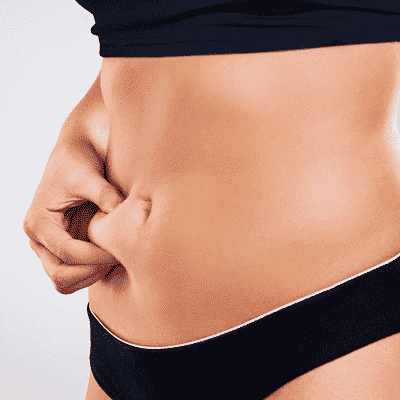
Liposuction: The Surgical Solution
What is Liposuction?
Liposuction is a surgical procedure designed to remove localized fat deposits from various areas of the body. It involves the insertion of a thin tube, called a cannula, through small incisions in the skin. The cannula is used to suction out fat cells, resulting in a more contoured appearance. Liposuction can be performed on areas such as the abdomen, thighs, hips, arms, and neck.
Benefits of Liposuction
Immediate Results: Liposuction provides immediate fat reduction, with noticeable results often visible shortly after the procedure.
Significant Fat Removal: This technique can remove larger volumes of fat compared to non-invasive methods.
Customizable: Liposuction allows for precise sculpting of specific areas, tailored to individual body contours.
Long-Term Effects: The fat cells removed during liposuction are permanently eliminated, leading to long-lasting results.
Risks and Considerations
Surgical Risks: As a surgical procedure, liposuction carries risks such as infection, bleeding, and anesthesia complications.
Recovery Time: Recovery can take several weeks, with potential swelling and bruising during the initial period.
Scarring: Small incisions may result in minimal scarring, though they are generally well-hidden.
Cost: Liposuction is often more expensive than non-invasive methods, with costs varying based on the extent of the procedure.
CoolSculpting: The Non-Invasive Alternative
What is CoolSculpting?
CoolSculpting, also known as cryolipolysis, is a non-invasive fat reduction technique that uses controlled cooling to target and freeze fat cells. The process involves applying a specialized device to the treatment area, which cools the fat cells to a temperature that causes them to crystallize and die. The body then naturally eliminates these dead fat cells over time, resulting in a gradual reduction of fat.
Benefits of CoolSculpting
Non-Surgical: CoolSculpting does not require incisions or anesthesia, making it a less invasive option.
Minimal Downtime: Most patients resume normal activities immediately after treatment, with no significant recovery time.
Gradual Results: Results develop over several weeks, with a gradual improvement in body contour as fat cells are naturally eliminated.
Safety: CoolSculpting is generally considered safe, with minimal risks and side effects compared to surgical procedures.
Risks and Considerations
Limited Fat Reduction: CoolSculpting is best suited for individuals with small to moderate amounts of excess fat, as it cannot remove large volumes of fat.
Multiple Sessions: Optimal results often require multiple treatment sessions, which can add to the overall cost.
Gradual Results: Unlike liposuction, the results of CoolSculpting are not immediate and may take several months to fully develop.
Temporary Side Effects: Some patients may experience temporary side effects such as redness, swelling, or numbness in the treated area.
Comparing Liposuction and CoolSculpting
Effectiveness
Liposuction offers immediate and significant fat removal, making it ideal for individuals seeking dramatic changes in body contour. CoolSculpting, while effective, provides more gradual results and is better suited for those with smaller areas of stubborn fat.
Recovery Time
Liposuction requires a longer recovery period, with potential downtime ranging from a few days to several weeks. CoolSculpting, on the other hand, involves minimal downtime, allowing patients to return to their daily activities almost immediately.
Suitability
Liposuction is appropriate for individuals who are in good health, have specific fat deposits they wish to target, and are prepared for a surgical procedure with associated risks. CoolSculpting is suitable for those who prefer a non-invasive option with minimal recovery time and are looking to address smaller areas of fat.
Conclusion
Both liposuction and CoolSculpting offer effective solutions for body contouring, each with its own set of advantages and limitations. Liposuction provides immediate and significant fat reduction through a surgical approach, making it ideal for those seeking substantial changes. CoolSculpting, as a non-invasive alternative, offers a gradual fat reduction with minimal downtime, suitable for individuals with smaller areas of stubborn fat.
Ultimately, the decision between liposuction and CoolSculpting should be based on your individual goals, preferences, and health considerations. Consulting with a qualified cosmetic professional can help you determine the best option for achieving your desired body contour and ensuring a successful outcome.


Comments