Is Liposuction Surgery a Weight Loss Procedure?
Liposuction is a popular cosmetic procedure for people who want to improve their body shape and reduce stubborn fat deposits. Many individuals maintain a healthy lifestyle, follow balanced diets, and exercise regularly but still struggle with fat in specific areas, such as the abdomen, thighs, hips, arms, or chin. In such cases, liposuction may be considered as an option for body contouring.
However, one common question remains: Is liposuction surgery a weight loss procedure? The simple answer is no. Liposuction is primarily designed to remove localized fat and improve body proportions rather than help individuals lose a significant amount of weight. Understanding how the procedure works, who may benefit from it, and what results can realistically be expected is essential before making a decision.
For individuals researching Liposuction Surgery in Muscat, learning about the procedure, its limitations, recovery requirements, and potential risks can help them make informed choices. This guide explains the difference between liposuction and weight loss, explores the factors that influence results, and answers common questions about treatment.
1. What Is Liposuction Surgery and How Does It Work?
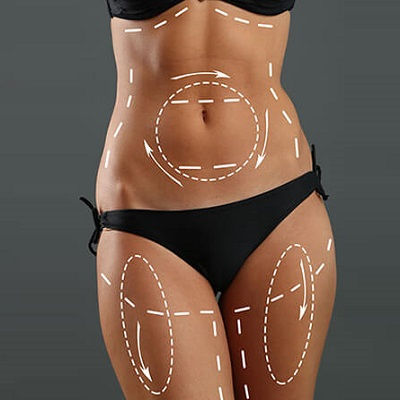
Liposuction is a cosmetic surgical procedure that removes unwanted fat from specific areas of the body. It is commonly used to reshape body contours when localized fat deposits remain despite consistent exercise and healthy eating habits.
During the procedure, a qualified surgeon makes small incisions in the targeted area and inserts a thin tube called a cannula. The cannula is used to loosen and remove fat through suction. Depending on the individual's needs and the treatment plan, liposuction may be performed on areas such as:
Abdomen and waist
Hips and flanks
Thighs and buttocks
Upper arms
Back
Chin and neck
The main purpose of liposuction is to improve the body's shape by reducing selected fat deposits. It is not intended to treat obesity, replace a healthy lifestyle, or provide the same benefits as a medically supervised weight management programme.
The technique used, the amount of fat removed, and the recovery process depend on several factors, including the treatment area, the individual's health, and the surgeon's assessment.
Although some weight reduction may occur after fat removal, the number on the weighing scale is not the most important measure of success. Improvements in body proportions and the appearance of specific areas are generally the primary goals.
2. Is Liposuction a Weight Loss Procedure?
Liposuction is not considered a conventional weight loss procedure. Its primary purpose is to remove localized fat deposits rather than produce substantial overall weight reduction.
Weight loss usually involves reducing total body fat through dietary changes, physical activity, behavioural adjustments, and, when appropriate, medical treatment. In contrast, liposuction focuses on particular areas that may not respond as expected to lifestyle changes.
For example, an individual may maintain a relatively stable weight but have persistent fat around the abdomen or hips. Liposuction may help reshape these areas if the individual is a suitable candidate. However, the procedure is unlikely to be an appropriate solution for someone seeking to lose a large amount of body weight.
There are several important differences between liposuction and weight loss.
Amount of fat removed: Liposuction removes a limited amount of fat from selected areas. It is not designed to eliminate all excess body fat.
Purpose of treatment: Weight management aims to improve overall body weight and health where needed, while liposuction primarily targets body contour and proportions.
Long-term maintenance: Liposuction can provide lasting changes in treated areas, but remaining fat cells can enlarge if weight increases after surgery.
Overall health benefits: Healthy weight management can improve several aspects of metabolic health. Liposuction should not be considered a substitute for these benefits.
For people exploring Liposuction Surgery in Muscat, understanding this distinction is particularly important. The procedure may be suitable for body contouring, but expectations should focus on realistic changes in shape rather than dramatic weight reduction.
3. Who Is a Suitable Candidate for Liposuction?
Not everyone who wants to reduce body fat is an appropriate candidate for liposuction. Suitability depends on overall health, body composition, skin quality, medical history, and personal goals.
In general, liposuction may be considered for adults who are close to a stable, healthy weight and have localized fat deposits that remain difficult to reduce through diet and exercise.
Several factors can influence whether the procedure is appropriate.
Stable body weight: Individuals who maintain a relatively consistent weight are often better candidates than those experiencing significant weight fluctuations.
Localized fat deposits: Liposuction is most useful when the concern involves specific areas rather than excess body weight throughout the body.
Good skin elasticity: Skin that can adapt to the body's new contours may produce a smoother appearance after fat removal. Reduced skin elasticity can increase the likelihood of loose or uneven skin.
Realistic expectations: Liposuction can improve selected contours, but it cannot guarantee perfect symmetry, eliminate cellulite, or correct every concern related to body shape.
Suitable general health: A person's medical conditions, medications, smoking status, and surgical risk factors must be reviewed before treatment.
A consultation with a qualified surgical professional is essential to determine whether liposuction is appropriate. Some individuals may benefit more from a structured weight management plan, while others may require an assessment for loose skin or another condition that liposuction alone cannot address.
The most suitable treatment is one that matches the individual's health needs and goals rather than simply promising a particular cosmetic result.
4. What Results Can Be Expected from Liposuction Surgery in Muscat?
The results of liposuction vary according to the treatment area, the amount of fat removed, skin elasticity, healing response, and the individual's ability to maintain a stable weight.
After the procedure, treated areas may gradually appear more defined as swelling decreases. However, the final contour does not become visible immediately. Swelling and bruising are common during the early recovery period, and it may take several weeks or months for the results to become clearer.
Individuals considering Liposuction Surgery in Muscat should understand that the outcome is influenced by several practical factors.
Body contour improvement: The procedure may reduce the fullness of selected areas and create more balanced body proportions.
Gradual recovery: Swelling can temporarily make the treated area look larger or uneven. Patience is important while the body heals.
Skin response: Fat removal does not automatically tighten loose skin. If the skin has limited elasticity, some looseness may remain after treatment.
Long-term results: Fat cells removed during liposuction do not grow back in the same way, but the remaining fat cells can expand with weight gain. This may affect the overall appearance.
Individual differences: Two people receiving treatment in similar areas may experience different results because of variations in anatomy, skin quality, healing, and lifestyle.
A qualified surgeon should explain the expected benefits, limitations, recovery timeline, and possible complications before treatment. Before-and-after photographs may also help individuals understand the range of possible outcomes, although another person's results cannot guarantee the same experience.
The best approach is to view liposuction as a body-contouring option that may complement an established healthy lifestyle rather than replace it.
5. Risks, Recovery, and Maintaining Results After Liposuction
Like other surgical procedures, liposuction involves potential risks. Although many individuals recover without major complications, it is important to understand the possible side effects and follow professional medical advice throughout recovery.
Common temporary effects include swelling, bruising, soreness, and discomfort around the treated area. Some individuals may also experience temporary numbness or changes in skin sensation.
Less common but more serious complications can include infection, fluid accumulation, irregular contours, changes in skin colour, blood clots, and complications associated with anaesthesia. The risk depends on factors such as the individual's health, the extent of the procedure, and the surgical setting.
A careful preoperative assessment helps identify potential concerns. Treatment should be performed by an appropriately qualified surgeon in a suitable medical facility with proper safety measures.
Recovery instructions vary, but they may include wearing a compression garment, taking prescribed medication as directed, keeping incision sites clean, and gradually returning to normal activities. Strenuous exercise should be resumed only when the treating professional confirms that it is appropriate.
Certain symptoms require urgent medical attention. These include sudden shortness of breath, chest pain, fainting, or severe and rapidly worsening symptoms. Such signs should not be dismissed as ordinary postoperative discomfort.
Maintaining the results also requires ongoing attention to lifestyle habits. A balanced diet, regular physical activity, adequate sleep, and stable body weight can help preserve the improvements achieved through surgery.
Liposuction does not prevent future weight gain or remove the need for healthy habits. Significant weight changes after treatment can alter body proportions and affect the final appearance.
For those considering Liposuction Surgery in Muscat, a safe decision involves evaluating both the expected cosmetic benefits and the responsibilities associated with recovery and long-term maintenance.
6. Frequently Asked Questions About Liposuction Surgery
1. Can liposuction help a person lose a significant amount of weight?
Liposuction is not designed for substantial weight loss. It removes localized fat deposits to improve body contours. Individuals seeking to lose a considerable amount of weight may benefit more from a structured weight management programme and an appropriate medical assessment.
2. Is liposuction suitable for someone who is overweight?
Some individuals who are overweight may be considered for liposuction, but suitability depends on their overall health, body composition, and surgical risk factors. The procedure is generally intended for localized fat reduction rather than the treatment of obesity. A qualified surgeon can determine whether it is appropriate.
3. Are the results of liposuction permanent?
Fat cells removed during liposuction are permanently removed from the treated area. However, the remaining fat cells can enlarge with weight gain, and fat distribution may change over time. Maintaining a stable weight can help preserve the results.
4. How long does recovery from liposuction take?
Recovery varies depending on the treatment area, the extent of surgery, and individual healing. Many people can gradually resume light daily activities within a few days, but swelling and bruising may continue for several weeks. More strenuous activities should be resumed according to the surgeon's instructions.
5. Does liposuction tighten loose skin?
Liposuction primarily removes fat rather than excess skin. Individuals with good skin elasticity may experience better adaptation to their new contours, while those with significant skin laxity may continue to have loose skin. A professional assessment can help identify suitable options.
6. What should someone consider before Liposuction Surgery in Muscat?
Before treatment, an individual should review the surgeon's qualifications, the safety standards of the medical facility, potential complications, recovery requirements, and realistic expectations. A detailed consultation should include a medical history review and a discussion of whether liposuction is the most appropriate option for the individual's goals.
Conclusion
Liposuction can be an effective option for reducing stubborn fat deposits and improving body contours, but it is not a weight loss procedure. Its main purpose is to reshape selected areas rather than produce substantial overall weight reduction or treat obesity.
Individuals considering Liposuction Surgery in Muscat should understand the difference between fat removal and weight management before deciding whether the procedure suits their needs. Factors such as stable body weight, skin elasticity, general health, realistic expectations, and long-term lifestyle habits all contribute to the decision-making process.
A consultation with a qualified surgical professional can help clarify the potential benefits, limitations, risks, and expected recovery. With appropriate assessment and realistic goals, individuals can make informed decisions about body contouring while keeping their overall health and safety a priority.
Read More About Liposuction Surgery: https://diigo.com/013ozbt


Comments