How to Prepare for Eyelid Surgery the Right Way
- eshanasir556
- Mar 9
- 4 min read
Eyelid surgery, medically known as blepharoplasty, is a popular cosmetic and functional procedure that helps improve the appearance of the eyes and address issues like drooping eyelids or excess skin. For those considering Eyelid Surgery in Oman, proper preparation is essential to ensure a smooth procedure, quicker recovery, and optimal results. This guide walks through everything patients need to know before undergoing the surgery.
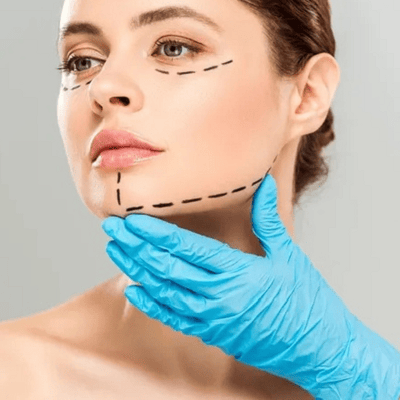
Understanding Eyelid Surgery
Eyelid surgery can be performed on the upper eyelids, lower eyelids, or both. While many people pursue the procedure for aesthetic reasons, such as reducing sagging skin, puffiness, or under-eye bags, it can also serve functional purposes. Drooping upper eyelids, for instance, can impair vision, and eyelid surgery can help restore normal function.
Before scheduling surgery, patients should have a clear understanding of their goals and realistic expectations. Consulting a qualified healthcare provider in Oman to discuss individual needs, medical history, and potential outcomes is crucial.
Scheduling Pre-Surgery Consultations
A pre-surgery consultation is a vital step in preparing for eyelid surgery. During this appointment, a medical professional will:
Evaluate the patient’s eye health and overall medical condition
Discuss the desired outcomes and explain the procedure
Review any medications or supplements that may interfere with surgery
Take photographs of the eyes for surgical planning
Patients are encouraged to ask questions during this consultation. Understanding the recovery process, possible risks, and long-term results can significantly reduce anxiety and improve overall satisfaction with the procedure.
Preparing Your Body and Mind
Proper preparation extends beyond scheduling appointments—it involves physical and mental readiness. Here are some essential steps:
1. Maintain a Healthy Lifestyle
A balanced diet and regular exercise can improve healing and reduce complications. Foods rich in vitamins A, C, and E, as well as protein, can promote tissue repair. Staying hydrated and avoiding excessive salt intake helps minimize swelling after surgery.
2. Avoid Smoking and Alcohol
Smoking and alcohol consumption can hinder blood circulation and slow down the healing process. Patients are typically advised to stop smoking at least a few weeks before surgery and limit alcohol consumption.
3. Sleep and Stress Management
Adequate rest strengthens the immune system and supports recovery. Stress management techniques such as meditation, deep breathing, or light yoga can help patients approach surgery with a calm mindset, which may positively influence healing outcomes.
Medication and Supplement Guidelines
Certain medications and supplements can increase bleeding or interfere with anesthesia. Patients should:
Disclose all prescription and over-the-counter medications to their surgeon
Avoid blood-thinning medications, such as aspirin or ibuprofen, if recommended
Limit herbal supplements like ginkgo biloba or fish oil, which may increase bleeding risk
It’s critical to follow the healthcare provider’s instructions regarding medication adjustments to ensure safety during surgery.
Planning for Post-Surgery Recovery
Recovery planning is a major component of preparing for eyelid surgery. Patients should:
Arrange for transportation to and from the surgery center
Prepare a comfortable space at home for rest during the first few days
Stock up on cold compresses, gauze, and recommended eye drops
Take time off work and avoid strenuous activities as advised
Proper preparation can significantly reduce stress during recovery and help patients achieve better results.
Day of Surgery: What to Expect
On the day of surgery, patients should:
Wear comfortable, loose-fitting clothing
Remove all makeup, jewelry, and contact lenses
Follow fasting instructions if anesthesia is required
During the procedure, the surgeon will carefully remove or reposition excess skin, fat, and muscle to achieve the desired outcome. Most eyelid surgeries are outpatient procedures, meaning patients can return home the same day.
Post-Surgery Care and Tips
Recovery from eyelid surgery usually involves some swelling, bruising, and mild discomfort. To ensure proper healing:
Keep the head elevated to reduce swelling
Apply cold compresses as recommended
Avoid rubbing or touching the eyes
Follow prescribed medication schedules
Attend follow-up appointments for monitoring progress
Most patients notice significant improvement within one to two weeks, though final results may take several months to fully manifest.
Frequently Asked Questions About Eyelid Surgery in Oman
1. Is eyelid surgery painful?
Patients may experience mild discomfort, swelling, or bruising. Pain is usually manageable with prescribed medications and typically decreases within a few days.
2. How long is the recovery period?
Most patients can resume normal activities within 7 to 14 days, but complete healing and final results can take a few months.
3. Are the results permanent?
Eyelid surgery offers long-lasting results, though natural aging may gradually alter the appearance over time. Maintaining a healthy lifestyle can help prolong the benefits.
4. Can eyelid surgery improve vision?
Yes, in cases where drooping upper eyelids obstruct vision, surgery can restore a clearer field of sight while also enhancing aesthetic appearance.
5. What risks are associated with the procedure?
Like any surgery, eyelid surgery carries risks, including infection, bleeding, scarring, or temporary dryness. Following pre- and post-surgery instructions reduces these risks.
6. Will there be visible scars?
Surgeons place incisions along natural eyelid folds or inside the lower eyelid, making scars minimal and usually well-concealed.
7. Can I combine eyelid surgery with other facial procedures?
Some patients opt for additional procedures, such as brow lifts or facelifts, for a more comprehensive rejuvenation. Consultation with a qualified healthcare provider can determine suitability.
Conclusion
Proper preparation for eyelid surgery is essential for achieving safe, effective, and satisfying results. Patients considering eyelid surgery in Oman should focus on consultations, lifestyle adjustments, medication management, and recovery planning. By taking these steps seriously, individuals can ensure a smoother procedure, faster healing, and a refreshed, rejuvenated appearance that enhances both function and confidence.



Comments