Facial Reconstruction Surgery for Cancer Patients
Facing cancer is one of life’s most difficult journeys, and for many individuals, the impact goes beyond internal health to affect physical appearance. Head and neck cancers, skin cancers, and other facial malignancies can lead to significant tissue loss, scarring, or disfigurement following treatment. Fortunately, the Best Facial Reconstruction Surgery in Muscat offers cancer patients an opportunity to restore both function and confidence through advanced surgical care.
This guide is designed to help patients and their loved ones understand what facial reconstruction involves after cancer treatment and how it can play a crucial role in the healing process.
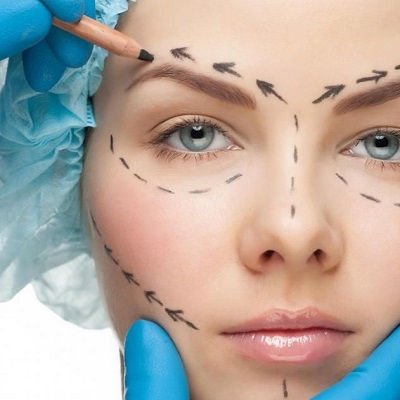
The Role of Facial Reconstruction in Cancer Care
For patients battling cancers of the face, mouth, or skin, surgical removal of tumors is often necessary to save lives. However, these life-saving procedures can sometimes leave visible marks or functional impairments—affecting speech, chewing, breathing, or facial expression.
Facial reconstruction surgery helps restore the appearance and function of facial structures that have been altered or removed due to cancer treatment. In Muscat, leading reconstructive surgeons work closely with oncologists to ensure patients receive holistic care that focuses on both survival and quality of life.
Who Needs Facial Reconstruction After Cancer?
Many types of cancers can require facial reconstruction, including:
Oral cancers affecting the lips, tongue, or jaw
Skin cancers such as melanoma or basal cell carcinoma
Head and neck tumors
Nasal and sinus cancers
Patients who undergo tumor removal surgeries, radiation, or chemotherapy may experience significant tissue loss or scarring that can benefit from reconstructive procedures.
Common Facial Reconstruction Techniques for Cancer Patients
The best facial reconstruction surgery in Muscat involves a variety of techniques tailored to the unique needs of each patient. The primary goal is to restore facial harmony, function, and symmetry while minimizing discomfort and recovery time.
Microvascular Free Tissue Transfer
This technique involves taking tissue (skin, muscle, or bone) from another part of the body and transplanting it to the face. It’s commonly used when large portions of tissue have been removed due to cancer.
Local Flap Reconstruction
In less severe cases, surgeons use nearby healthy tissue to cover the defect left by cancer removal. This method is effective for smaller defects and offers quicker healing times.
Skin Grafting
For superficial skin defects, skin grafting helps cover the area with healthy skin, improving both texture and appearance.
Bone Reconstruction
When cancer affects the jawbone or facial bones, bone grafting or implants may be used to reconstruct the skeletal structure, often restoring both function and shape.
The Recovery Process and Emotional Healing
Recovering from facial reconstruction surgery involves not just physical healing but emotional adjustment. Many cancer survivors experience profound psychological benefits from reconstruction, as it helps them feel more like themselves again.
In Muscat, patients receive comprehensive aftercare that includes wound management, speech therapy if needed, and psychological support. The recovery period varies, but most patients gradually resume normal activities while continuing follow-up care.
Why Choose the Best Facial Reconstruction Surgery in Muscat?
Muscat has become a trusted destination for cancer-related facial reconstruction, offering:
Highly skilled reconstructive surgeons with international training
State-of-the-art surgical facilities
Personalized treatment plans based on each patient’s cancer history and goals
Compassionate care that prioritizes both physical and emotional well-being
Patients can expect a multidisciplinary approach that brings together surgical expertise, oncology, and rehabilitation services for the best possible outcomes.
Frequently Asked Questions (FAQs)
1. Why is facial reconstruction important for cancer patients?
Facial reconstruction helps restore both the appearance and essential functions such as speech, chewing, and breathing that may be affected by cancer treatment. It also plays a key role in emotional recovery and self-esteem.
2. Is facial reconstruction surgery safe for cancer patients?
Yes, when performed by experienced surgeons, facial reconstruction is safe and carefully coordinated with the patient’s cancer treatment team to ensure optimal timing and results.
3. How soon after cancer surgery can I have facial reconstruction?
The timing depends on the type of cancer, extent of removal, and overall health. Some reconstructions are done immediately, while others may be delayed until after cancer treatment is complete.
4. Will my face look the same after reconstruction?
While every case is different, modern surgical techniques aim to achieve the most natural-looking results possible. Surgeons focus on both restoring function and enhancing cosmetic appearance.
5. Does facial reconstruction surgery involve a long recovery?
Recovery times vary, but most patients can expect initial healing within a few weeks. Full recovery, especially in complex cases, may take several months.
6. How can I find the best facial reconstruction surgery in Muscat?
Look for a board-certified plastic or reconstructive surgeon with experience in oncology-related cases. Clinics offering multidisciplinary care with oncology teams are often the best choice.
Conclusion
For cancer survivors, facial reconstruction is not just about appearance—it’s about reclaiming identity, dignity, and confidence. The best facial reconstruction surgery in Muscat offers hope and healing to those who have faced the challenge of facial cancer. With expert care and advanced surgical options, patients can look forward to a future where they feel whole once again.
If you or a loved one is considering facial reconstruction after cancer, consulting a specialist in Muscat can be the first step toward transformation and recovery.
Ask ChatGPT


Comments