Dermamelan Treatment: How Long Results Usually Take
Dermamelan Treatment has become a widely discussed professional skin depigmentation approach for individuals dealing with stubborn pigmentation issues such as melasma, post-inflammatory hyperpigmentation, and uneven skin tone. One of the most common questions people ask before considering this treatment is: how long do results actually take to show?
The answer is not the same for everyone, but there is a fairly predictable timeline that helps set realistic expectations. Understanding how Dermamelan works, what happens during the skin renewal process, and how long improvement typically takes can help individuals feel more confident and prepared before starting the journey.
This article explains the Dermamelan treatment process in a simple, expert-backed, and easy-to-follow way, including when results usually begin to appear and what factors can influence the outcome.
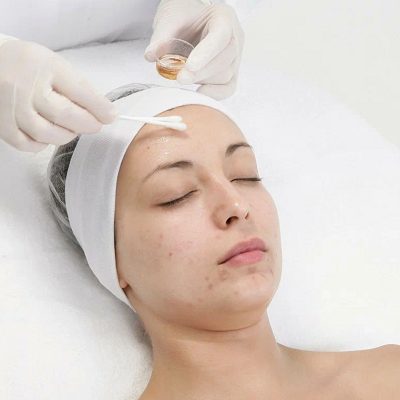
What is Dermamelan Treatment?
Dermamelan is a professional depigmentation treatment designed to reduce and regulate excessive melanin production in the skin. Melanin is the pigment responsible for skin color, and when it is produced unevenly or in excess, it can lead to dark patches, spots, and discoloration.
Unlike standard topical creams that work gradually and superficially, Dermamelan is known for its dual-action approach. It typically involves:
An in-clinic application mask or procedure performed by a trained professional
A prescribed at-home skincare regimen that continues the treatment process
The goal is not only to lighten existing pigmentation but also to regulate the skin’s pigment-producing activity to reduce the chances of recurrence.
Dermamelan is often chosen for moderate to severe pigmentation concerns where other topical treatments may not have provided satisfactory results.
How Dermamelan Works on Pigmentation
To understand how long results take, it helps to first understand how Dermamelan interacts with the skin.
The treatment works by targeting the enzyme responsible for melanin production, known as tyrosinase. When this enzyme is overactive, pigmentation becomes more visible and persistent.
Dermamelan helps by:
Reducing melanin synthesis in deeper layers of the skin
Promoting controlled exfoliation of pigmented skin cells
Supporting skin regeneration for a more even complexion
After the initial application, the skin goes through a controlled renewal process. This is why visible peeling, redness, and sensitivity are often part of the early stages. These reactions are actually signs that the skin is responding and beginning to shed pigmented layers.
Because pigmentation sits in different depths of the skin, the treatment needs time to work through each layer gradually, which directly influences how long results take to fully appear.
When Do Initial Results Start to Show?
One of the most important things to understand about Dermamelan treatment is that results appear in stages rather than all at once.
First Week to Two Weeks
In the early phase, the skin usually undergoes visible peeling and redness. During this time, the pigmentation may still appear unchanged or may even look slightly more noticeable due to skin inflammation and exfoliation.
However, beneath the surface, the treatment is already working by reducing pigment activity.
Weeks 2 to 4
This is typically when early visible improvements begin. The skin starts to look fresher, and some reduction in surface-level pigmentation becomes noticeable. Dark patches may begin to soften in intensity.
One to Two Months
More significant changes are usually observed during this period. Skin tone appears more even, and pigmentation becomes lighter and less defined. Many individuals report noticeable improvement in clarity and brightness.
Three Months and Beyond
Full results are generally seen after a complete skin renewal cycle, which can take around 8 to 12 weeks or longer depending on the severity of pigmentation. At this stage, the skin often looks more balanced, with reduced recurrence of dark spots when proper aftercare is followed.
So, while early improvement may begin within a few weeks, optimal results typically take a few months to fully develop.
Factors That Influence Dermamelan Results Timeline
Not everyone experiences results at the same speed. Several factors can influence how quickly improvements appear.
Depth and Type of Pigmentation
Superficial pigmentation such as mild sun spots may respond faster, while deeper conditions like melasma often require more time and consistency.
Skin Type and Sensitivity
Individuals with sensitive or reactive skin may experience a slower visible response due to a more cautious skin regeneration process.
Adherence to Aftercare Routine
Post-treatment care plays a crucial role. The at-home regimen provided alongside Dermamelan is essential for maintaining results and ensuring continuous pigment control.
Sun Exposure
Sun exposure can slow down progress or trigger new pigmentation. Consistent sun protection is critical during and after treatment.
Lifestyle and Hormonal Factors
Hormonal fluctuations, stress, and lifestyle habits can all influence pigmentation activity, potentially affecting how quickly results become visible.
What to Expect During the Healing and Recovery Phase
The recovery phase is an important part of the Dermamelan journey. The skin typically goes through several predictable stages:
Redness and warmth: Usually occurs immediately after application
Peeling and flaking: Begins within a few days as pigmented cells shed
Dryness and sensitivity: The skin barrier may feel temporarily weakened
Gradual rebalancing: The skin slowly becomes smoother and more even-toned
It is important to note that the visible peeling phase does not represent the final result. Instead, it is part of the skin’s natural renewal cycle being accelerated by the treatment.
During this phase, gentle skincare and strict sun protection are essential to support healing and avoid irritation.
How to Maintain Results After Dermamelan Treatment
Achieving results is only part of the journey; maintaining them is equally important. Without proper care, pigmentation can gradually return.
To help prolong results, skincare experts generally recommend:
Daily use of high SPF sunscreen to protect against UV-triggered pigmentation
Consistent use of maintenance skincare products as advised in the post-treatment plan
Avoiding excessive sun exposure, especially during peak hours
Maintaining a gentle skincare routine to prevent irritation
Managing hormonal and lifestyle factors where possible
With proper maintenance, results from Dermamelan can remain visible for a longer period and help reduce the recurrence of pigmentation concerns.
Is Dermamelan a Permanent Solution for Pigmentation?
Dermamelan is highly effective in reducing pigmentation, but it is not considered a permanent cure. Pigmentation is influenced by multiple internal and external factors, including sun exposure, hormones, and skin inflammation.
What Dermamelan does effectively is regulate melanin activity and significantly improve skin clarity. However, ongoing care is essential to maintain results.
Many individuals find that with proper maintenance, their skin remains clearer and more even-toned for an extended period compared to other treatments.
Frequently Asked Questions (FAQs)
1. How long does it take to see results from Dermamelan treatment?
Most individuals begin to notice early improvements within 2 to 4 weeks, while more visible and stable results typically develop over 8 to 12 weeks.
2. Why does the skin look worse before it gets better after Dermamelan?
This is due to the exfoliation process, where pigmented and damaged skin cells are being shed. Temporary redness and peeling are normal signs of skin renewal.
3. Can Dermamelan treat all types of pigmentation?
It is effective for many forms of pigmentation, including melasma and post-inflammatory hyperpigmentation, but results may vary depending on the depth and cause of the pigmentation.
4. Is Dermamelan treatment painful?
Most individuals experience mild discomfort such as tingling, warmth, or sensitivity during the initial phase, but it is generally manageable and temporary.
5. How many sessions are needed for Dermamelan?
In many cases, a single professional application followed by a structured home-care routine is designed to deliver results, though maintenance may be recommended depending on skin needs.
6. Can pigmentation return after Dermamelan treatment?
Yes, pigmentation can return if the skin is exposed to triggers such as sun damage or hormonal changes without proper maintenance and protection.
Read More About Dermamelan Treatment: https://eshanasir556.wixsite.com/enfieldclinicoman/post/how-to-choose-the-right-acne-scar-treatment-for-your-skin


Comments